The upcoming elections in Guatemala represent a turning point for the country's young and fragile democracy. Various actors, such as the Supreme Electoral Tribunal (TSE), the country's courts, political parties and their candidates, as well as civil society and citizens, all play an important role. As part of Guatemalan civil society, the National Civic Movement (MCN) has advocated for strengthening the country's institutions through civic activism and promoting youth civic participation.

During this electoral period, our work has focused on the millions of voters who will elect their representatives on June 25 in the general elections. Through our platform, Yo Voto Mejor, citizens can find information on presidential and vice-presidential candidates, congressional representatives, and mayors. At the same time, they can access educational content and participate in debates and civic training workshops on topics such as how to cast an informed vote, the dangers of populism, and the basic principles of a democratic republic.
The 2023 elections
According to data from the Latin American Opinion Project (LAPOP), only 38% of the population is satisfied with democracy, and more than half of Guatemalans would prefer a system that guarantees basic services over one that guarantees elections. Regarding the current government, three out of four Guatemalans believe that President Alejandro Giammattei has done a poor job. In this context, and with clear consequences from the latest electoral reforms in 2016, the 2023 elections have been atypical for two reasons: the increase in the judicialization of candidacies and the way candidates campaign.
With 29 political parties competing, controversies surrounding the registration or revocation of various candidacies have shaped the electoral landscape. The most recent case is that of presidential frontrunner Carlos Pineda.
On the other hand, most candidates have turned to social media to connect with the population. While 40.5% of the information consumed by the population comes from national TV, 32.6% comes from social media. This is why candidates have saturated networks like TikTok, for example, and neglected to debate and elaborate on their proposals. This has been a superficial election campaign.
Without Carlos Pineda in the running, recent polls (May 2023) indicate that the frontrunners are: Sandra Torres (23%), Edmond Mulet (20%), Zury Ríos (19%), and Manuel Conde (4%).
Returning to democratic foundations
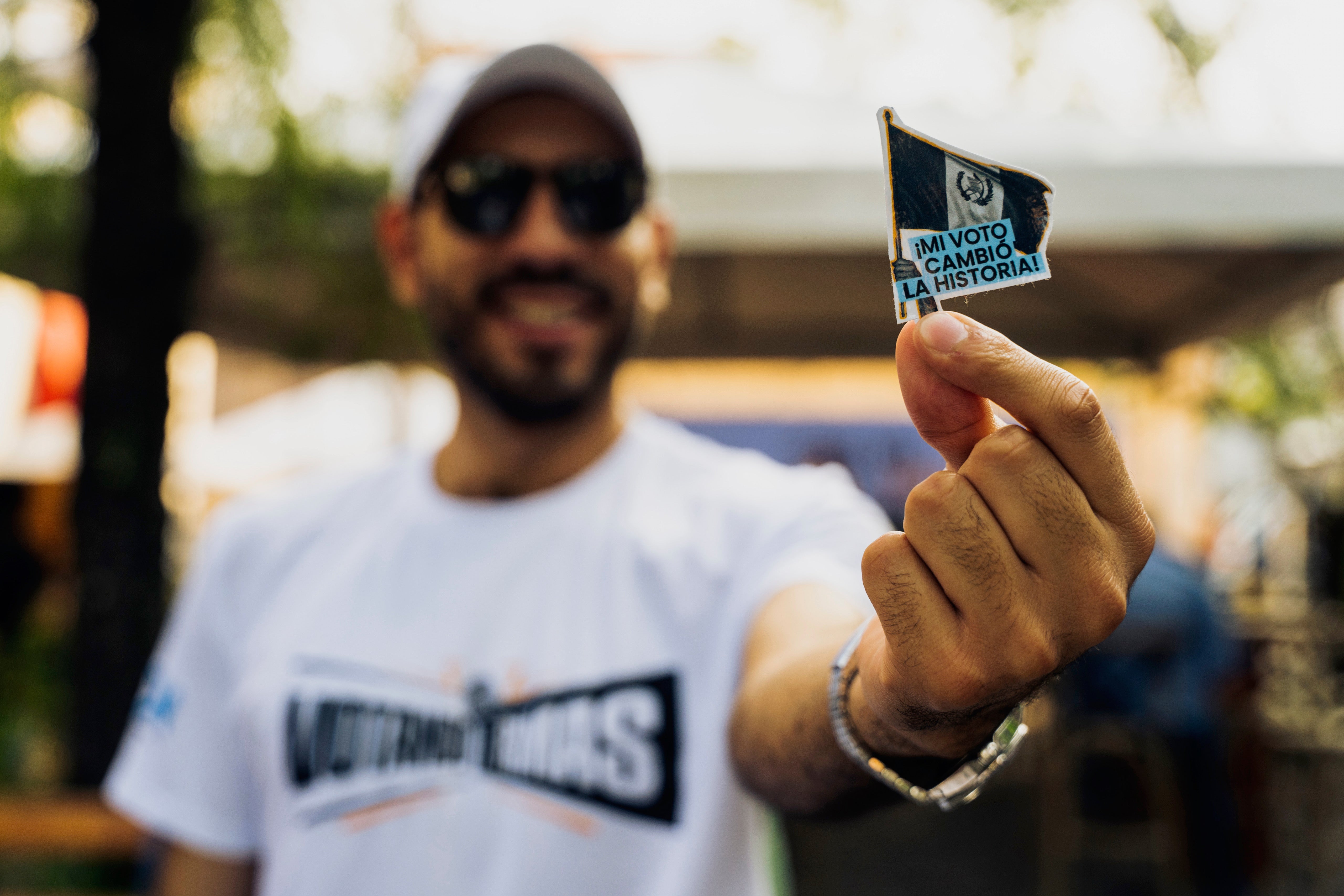
We believe that the basic foundations of any election must be ensured. This implies encouraging Guatemalan citizens to participate in all possible ways. As active volunteers in polling stations, protecting the votes of other Guatemalans. Also as electoral observers, monitoring and reporting anomalies. Finally, as voters to make it a civic celebration and encourage more people to exercise their right to vote, as spoiled ballots or abstention can undermine the legitimacy of the elections.
On the other hand, the TSE must clarify the methods to be used for data transmission. This will guarantee transparency and social oversight of how the data collected at all polling stations will be published. This is essential because in the last election there were highly criticized errors, as well as the TSE's attempt in 2022 to purchase equipment and software that jeopardized the security of the vote.
Strengthening the most basic aspects of elections must be the minimum agreement among various actors and groups that advocate for clean and transparent elections. It is imperative that after this electoral process, reforms to the Electoral and Political Parties Law (LEPP) are made to address the underlying problems. For years, we have promoted changes to electoral regulations and will continue to do so, including the voice of Guatemalan youth.