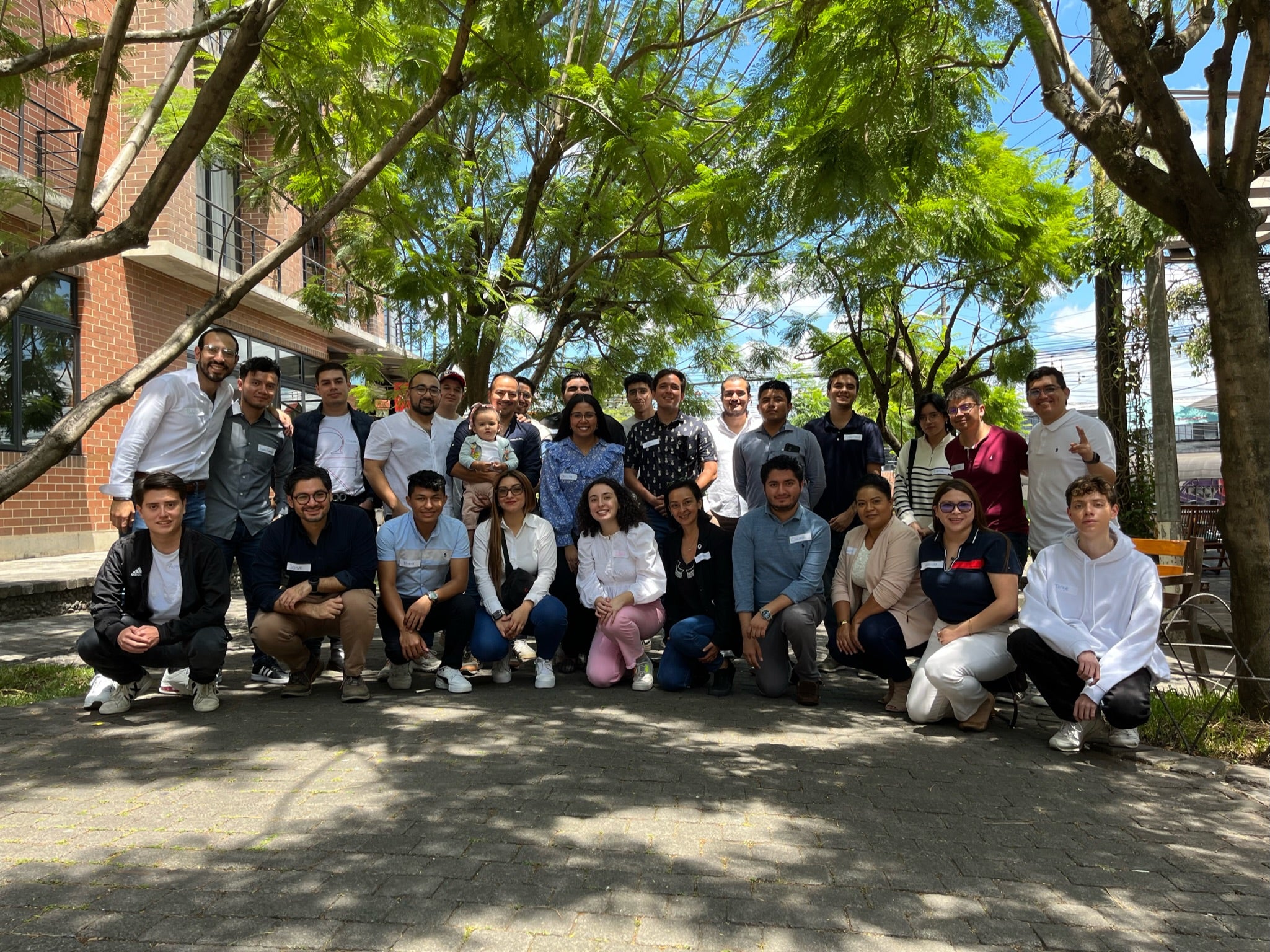

Citizen Dialogues is a space that promotes a series of public discussions, where the main challenges faced by Guatemalan citizens are discussed. It is a project that seeks to proactively influence the change that citizens expect for the country, building bridges and productive alliances. Citizen Dialogues seeks to lead the discussion of common challenges by building a citizen proposal and solution.

For some years now, our commitment to strengthening our republic, our institutions, and the search for a more functional and representative electoral system has led us to recognize the need for electoral reform.
Citizen participation in the process of creating and discussing these reforms is fundamental, which is why, as a national civic movement, we have met to investigate the concerns of citizens regarding our electoral system and the actions we can take to improve it.

Findings
- The vast majority of participants do not feel represented by either current or elected authorities.
- It is perceived that political parties represent particular interests and not political ideologies or the interests of the population.
- Politicians are only present in public debate during election season. There are no genuine political leaders.
- The legal requirements to create a party are very difficult to meet, and therefore it is very difficult for a large part of the citizenry to participate in party politics. This has opened the door to political participation for organized crime sectors.
- The candidate selection processes within parties are not transparent and election slots are allocated discretionally by senior party leaders.
- It is difficult to know and find information about all candidates, as many of them are hidden in lists of deputies and municipal corporations. We don't know who we are electing.
- The majority would prefer to vote directly for the deputy by their face and name and not by the party logo on a list.
Recommendations
In general terms, low representativeness and the institutional weakness of political parties are the most prominent issues highlighted in the points discussed in this citizen dialogue.
1. Reduce the requirements for creating a political party. For example, decreasing the number of signatures required and the minimum number of departments with representation for the constitution of a political party.
2. Review the current model for private financing of political parties to make it easier and more reliable to contribute lawful and bankable money to political organizations.
3. Clearly regulate the campaign period and allow campaigning through debates without implying censorship for future candidates. This favors the evolution of new leaderships and long-term political projects, and it also reduces campaign costs by spreading propaganda expenses over a longer period.
4. Change the way deputies are elected by modifying lists or configuring smaller electoral districts, making it easier for the population to recognize, demand accountability from, and hold their representatives responsible, as well as to vote in a more informed and conscious manner.

Conclusions
The reform of the electoral and political parties law is fundamental for the positive development and strengthening of our republican system. The consensual measures seek to promote a more participatory electoral system, where citizens feel represented and can engage in the electoral process in an informed and conscious manner.
Ultimately, this citizen dialogue has highlighted the importance of empowering citizens and improving our democratic institutions to build a more functional and representative electoral system that truly reflects the interests and desires of society. These recommendations offer a solid starting point for addressing the identified challenges and moving towards a more robust and participatory democracy.
Next steps
As citizens, we have taken the first steps and discussed the challenges facing our electoral system. However, it is equally important that the competent authorities listen to the findings and recommendations we have gathered together.
Join us here! if you want to be part of our civic community and participate in these activities.
If you want to learn more about electoral reform, visit our website https://mcn.org.gt and follow us on our social networks: Instagram, TikTok, X (Twitter), and Facebook!
Join the upcoming citizen dialogues. The next one is on November 18! Your participation is very important, because with these actions we are actively collaborating to strengthen our republic!