

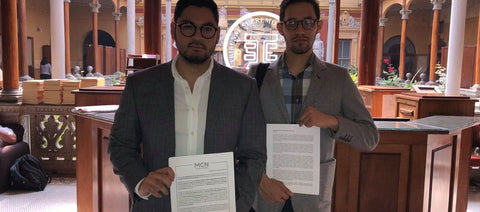
On March 6 of this year, we had our first contact with the authorities of the Registry of Citizens of the Supreme Electoral Tribunal because we were concerned about how they were beginning to treat turncoat candidates. Two months later, and shortly before election day, the TSE's dependencies have confirmed that there is no uniform criterion for the application of article 205 ter of the Electoral and Political Parties Law (which prohibits the participation of candidates for deputies who were elected by a political organization other than the one that nominates them).
Why did we request information from the TSE again?
This is not the first time we have submitted a request to access the reasoning put forward by our authorities to allow the participation of turncoat candidates. We have tried every possible way: we have used the channels provided by the public information access law, inquired with the Director of the Registry of Citizens, and requested through judicial processes that the resolutions endorsing the participation of these individuals be made public. In all these attempts, we have received elusive responses that, at best, indicate a serious lack of willingness on the part of the authorities to exercise their powers in the best interest of the citizens. There is no reason not to make this information public.
Therefore, this time we called for the closest authority with the greatest capacity to access the information to make it available to the public: the Plenary of Magistrates of the Supreme Electoral Tribunal. With the hope that by learning that we have resorted to all other instances, they will appreciate the seriousness of the request and can contribute to the process of popular scrutiny so necessary for the proper functioning of institutions in a democracy.
What impact does this have on our republic?
It is concerning that we encounter resistance to attempts to access information on the processes and the reasoning argued at each stage regarding the application of this article. This is information that, by law, must be freely provided to the public. From the delay in the processes and the denial of requests, we see a setback in the strengthening of our institutions.
What is the underlying problem?
The current electoral regulation tried to solve clear problems in our political system. The prohibition of turncoat behavior sought to strengthen the institution of the party and thus improve representativeness. But instead, it has ended up being another requirement that stifles the work of the units of the Supreme Electoral Tribunal and introduces another incentive for dynamics of regulatory capture. This should be a lesson for future reform attempts that try to address these legitimate problems of our democracy.
What actions will follow this request?
We are awaiting the response from the highest electoral authority, which will determine the course we take to defend the equal application of the law, legal certainty, and the rule of law. We continue with the initiated processes, but there are many more deputies whose situation must be clarified; so even if this request is rejected, we will continue in the same vein.