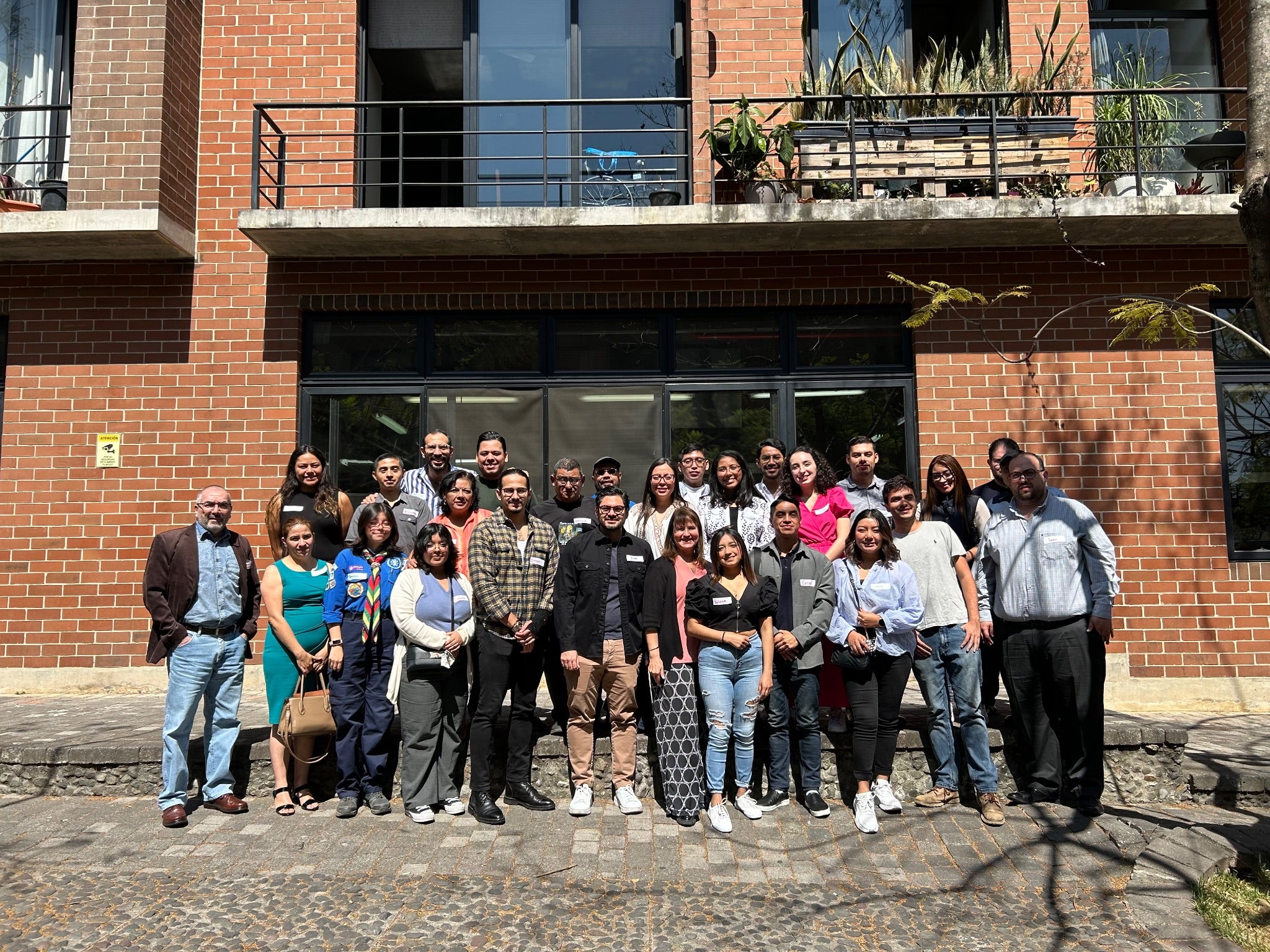
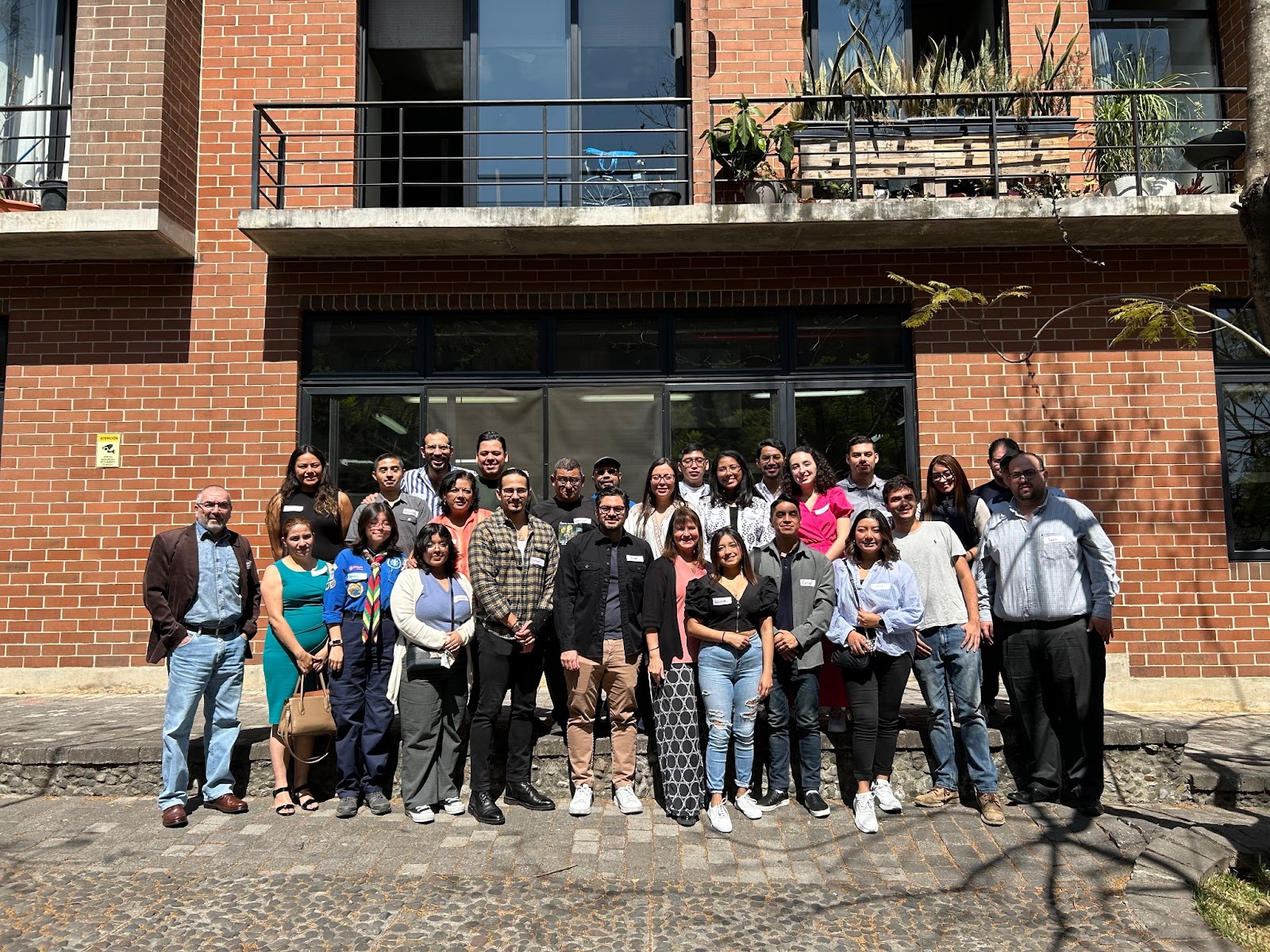
On Saturday, February 17, 2024, we held a citizen dialogue to learn about the quality of education in the country in recent years and jointly generate proposals to regain control of education.
Joviel Acevedo has led the Guatemalan Education Workers' Union for more than 15 years. During this time, he has accumulated a significant amount of power to secure privileges for both himself and his associates. In 2007, a process of dismissal was initiated because Joviel Acevedo was not fulfilling his work obligations and was subcontracting a teacher to teach for him.
Under several governments, Joviel negotiated the collective bargaining agreement to increase his privileges without anyone stopping him until 2007 when María del Carmen Aceña became the first and only Minister of Education to refuse to negotiate with him. However, he was reinstated shortly after, during the UNE government.
What is the state of education in Guatemala?
To learn more about how the agreement affects education, Aceña presented to the dialogue participants the current state of education in Guatemala, the collective bargaining agreement, and how it is negotiated. She also shared her experience in the process of Joviel Acevedo's dismissal.
Among the points she highlighted regarding how educational quality has suffered were:
-
• Students with deficient training during their learning.
-
• Low capacity of teachers when teaching classes.
-
• Little investment in technology and connectivity in educational centers.
-
• Deficient infrastructure and services in schools.
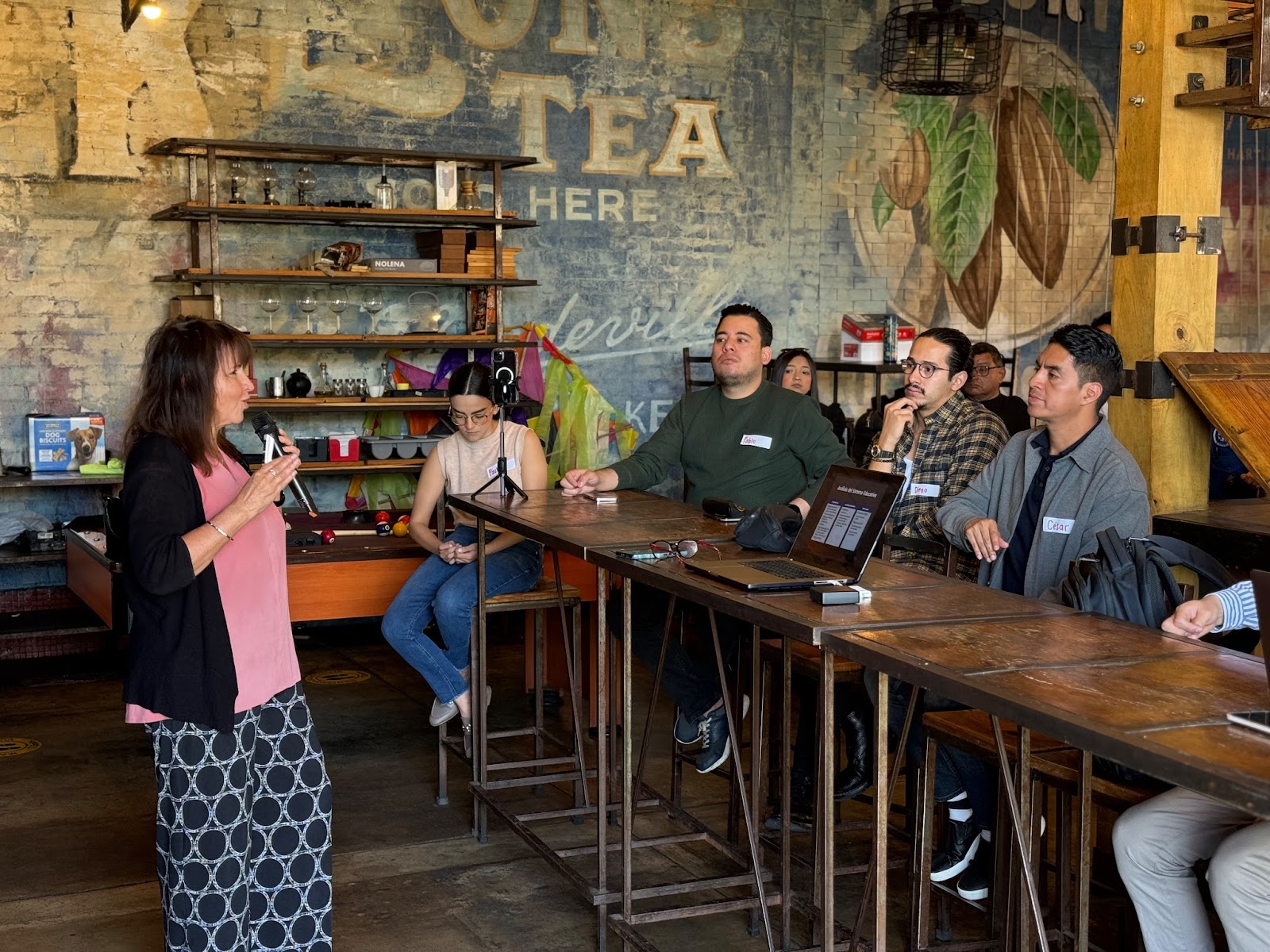
The last collective bargaining agreement signed between the Ministry of Education and the Guatemalan Education Workers' Union was negotiated in secret, preventing citizen oversight of the agreed-upon conditions.
What do citizens think?
The main conclusion from the dialogue stations was that the budget increases to raise salaries, bonuses, and a series of privileges that do not positively impact the learning of children and young people.
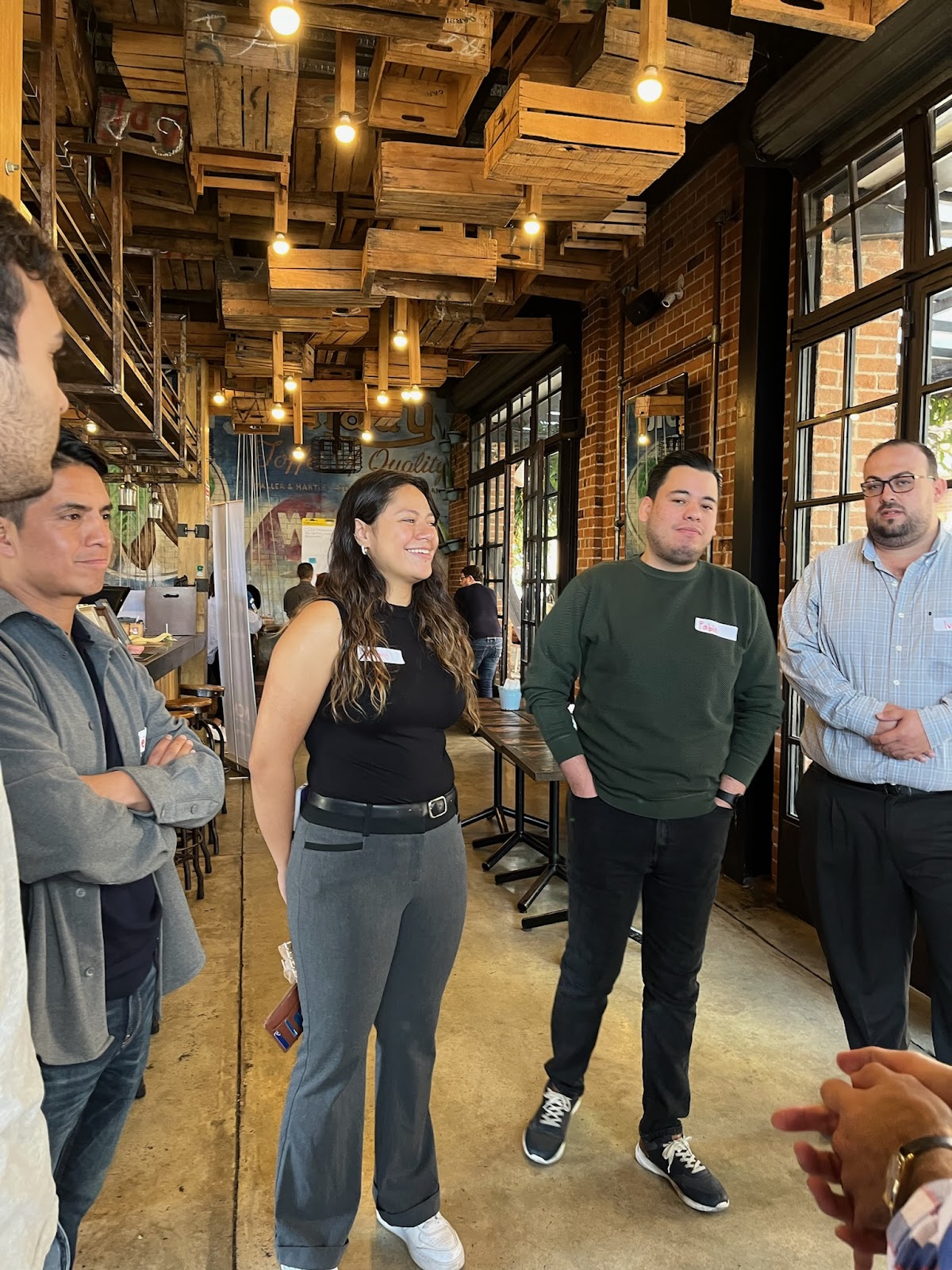
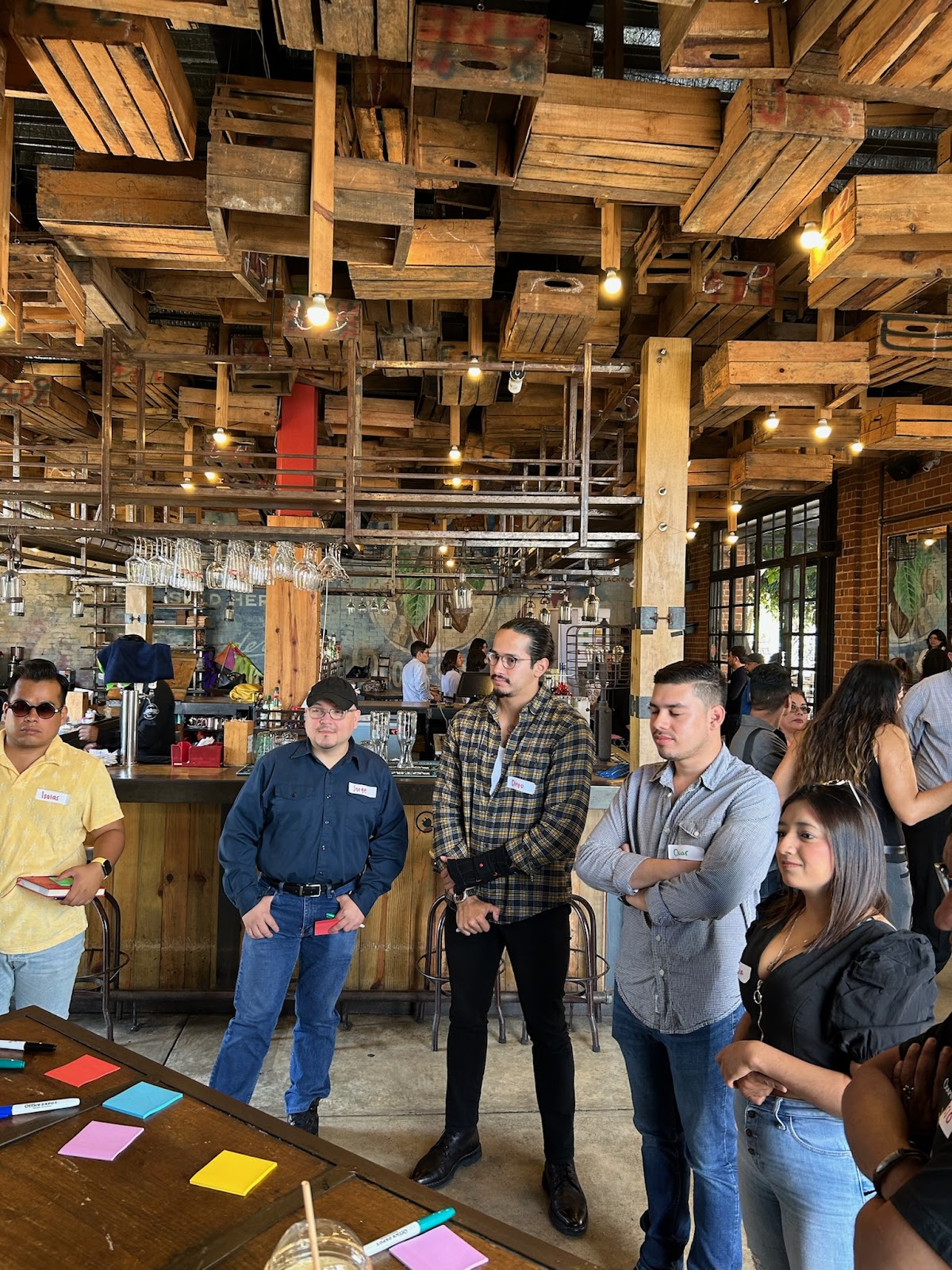
Citizens identified the main problems that the Collective Bargaining Agreement creates for the educational system, exchanged opinions, and generated proposals for action. These included:
- • Performance criteria must be required to grant benefits: Rewarding merit and results.
- • Approach authorities to present citizen proposals.
- • Declare it detrimental if the collective agreement does not represent benefits for education.
Let's move to regain control of education in Guatemala!
If you want to participate in our upcoming dialogues and other citizen actions, don't miss out and join here.