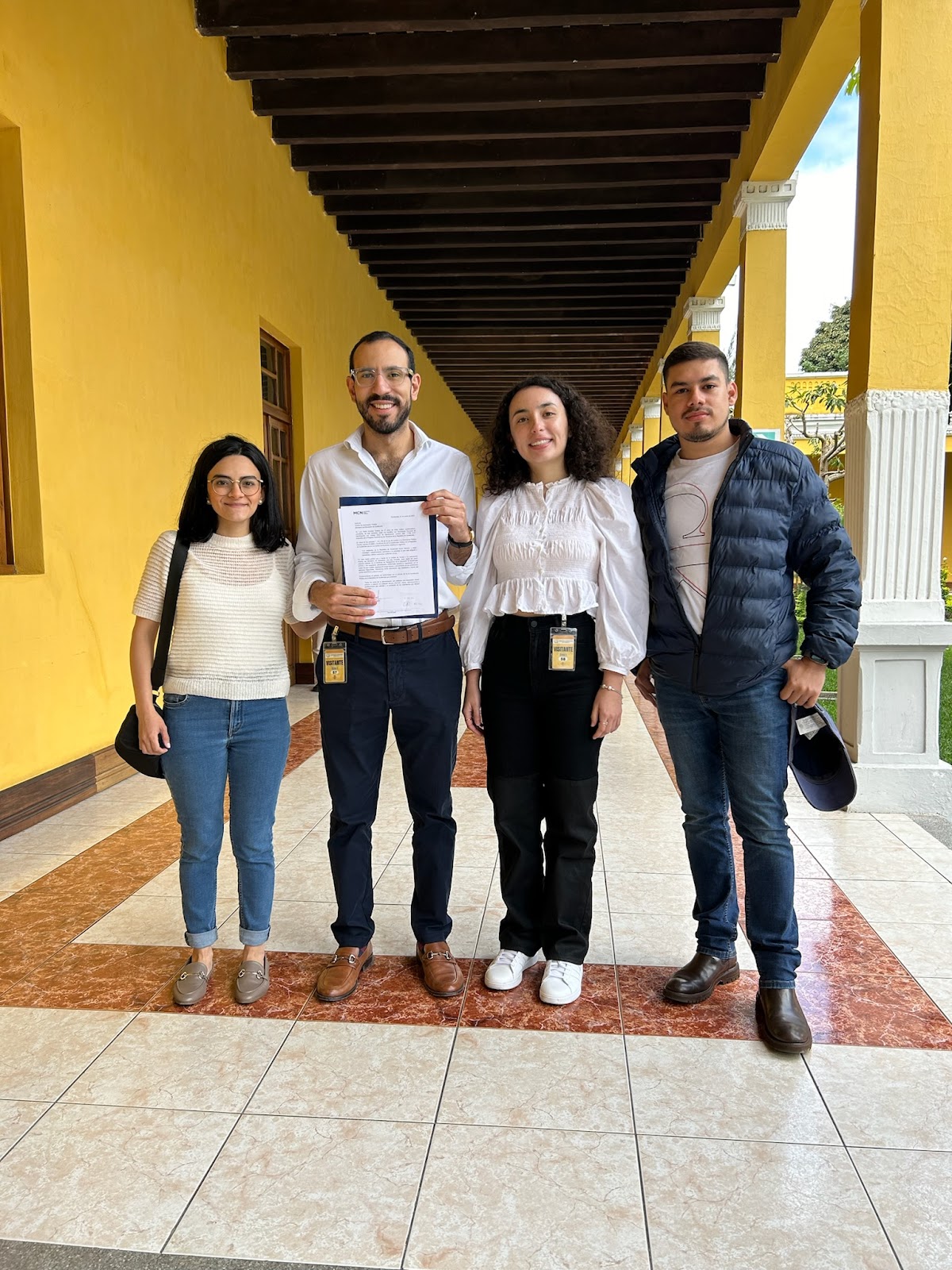

Why in secret?
Our Constitution establishes in Article 30 that all acts of the administration are public. However, the Union of Education Workers of Guatemala (STEG) asked the Ministry of Education that this pact be negotiated in secret until it was signed. In a Republic, transparency is crucial to determine the efficiency of public officials' actions, the quality of spending, and how the resources of all Guatemalans are being used. In education, it is imperative since the negotiation of a collective pact has a direct impact on the Ministry's resources, incentives for teachers, their professionalization, and therefore, on the quality of education received by Guatemalan children.
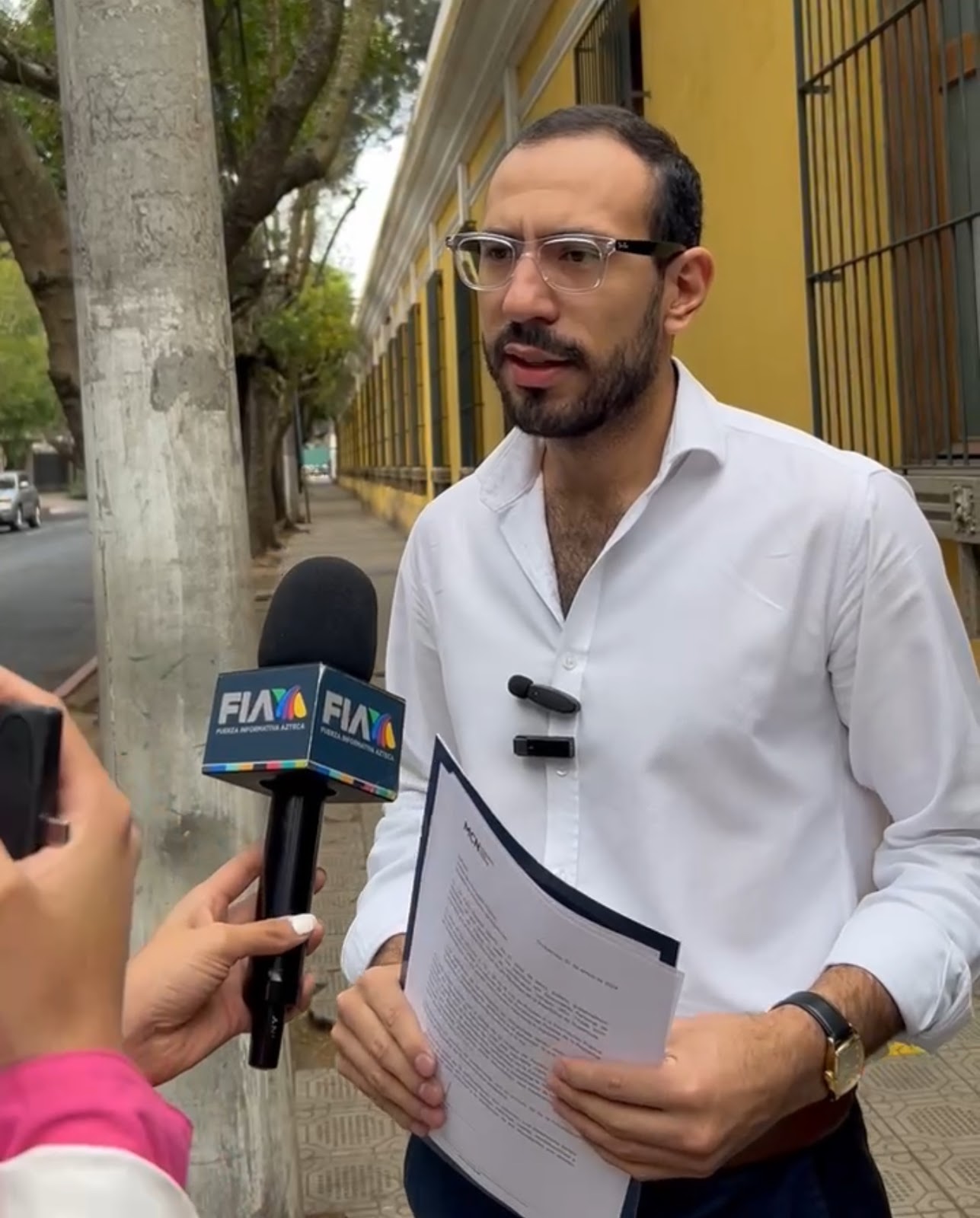
The content of the collective pact
Collective pacts regulate the conditions under which work must be performed; however, citizens must review how the Ministry of Education and the Union of Education Workers of Guatemala have negotiated them. At the same time, we must analyze their content, as we have identified privileges that do not translate into improvements to the country's education system.
Some of the privileges contained in the collective pact are:
-
1. Job stability for union leaders.
The collective pact protects all members of the National Executive Committee, sectional and sub-sectional unions, which prevents the Ministry of Education from dismissing them and protects them for up to 24 months after leaving their positions. This prevents the Ministry of Education from exercising the powers granted by our constitution and from sanctioning those who fail to fulfill their duties and commit disciplinary offenses.
-
2. Licenses for union activities
Full-time licenses are granted to members of the STEG National Executive Committee and up to 6 days per month for members of the Executive Committees of adhering unions. This means they can discretely decide to be absent from work without any justification.
-
3. The Joint Board
Its purpose is to resolve individual or collective labor problems, making decisions by consensus. However, the pact grants administrative and management powers to union members (appointments, promotions, and dismissals) when this power belongs exclusively to the Ministry of Education.
Citizens must scrutinize these agreed conditions, analyze the sustainability of public resources, and demand the elimination of privileges that are not related to the job performance of public servants.
Let's move to regain control of education in Guatemala!
If you want to participate in our upcoming dialogues and other citizen actions, don't miss out and join here.