For more than 15 years, Joviel Acevedo has led the Guatemalan Education Workers' Union. During this time, he has accumulated a significant amount of power to secure privileges, both for himself and for his associates. In 2007, dismissal proceedings were initiated because Joviel Acevedo was not fulfilling his work obligations and was subcontracting a teacher to teach for him.
Joviel negotiated the collective bargaining agreement over several administrations to increase his privileges without anyone stopping him until 2007 when María del Carmen Aceña became the first and only Minister of Education to refuse to negotiate with him. However, he was soon reinstated during the UNE government.
The latest collective bargaining agreement signed between the Ministry of Education and the Guatemalan Education Workers' Union was negotiated in secret, preventing citizens from overseeing the agreed-upon conditions.
Collective bargaining agreements regulate the conditions under which work must be performed; however, citizens must review how the Ministry of Education and the Guatemalan Education Workers' Union have negotiated them. At the same time, we must analyze their content, as we have identified privileges that do not translate into improvements in the country's education system.
Our actions
Citizens must oversee these agreed-upon conditions, analyze the sustainability of public resources, and demand the elimination of privileges unrelated to the job performance of public servants.
That is why, as a Movement, we took these actions to uncover the agreement:
Request to review the agreement
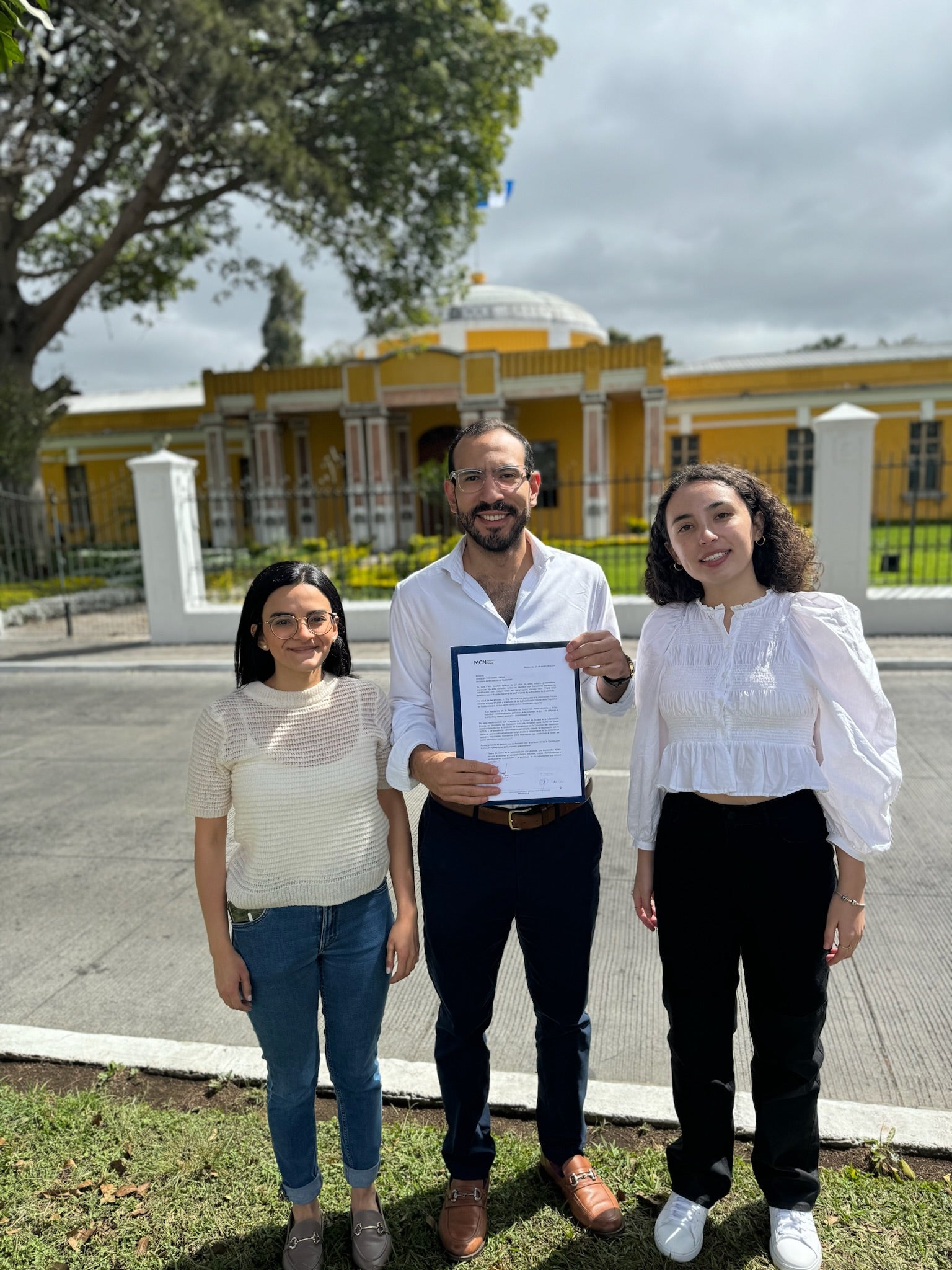
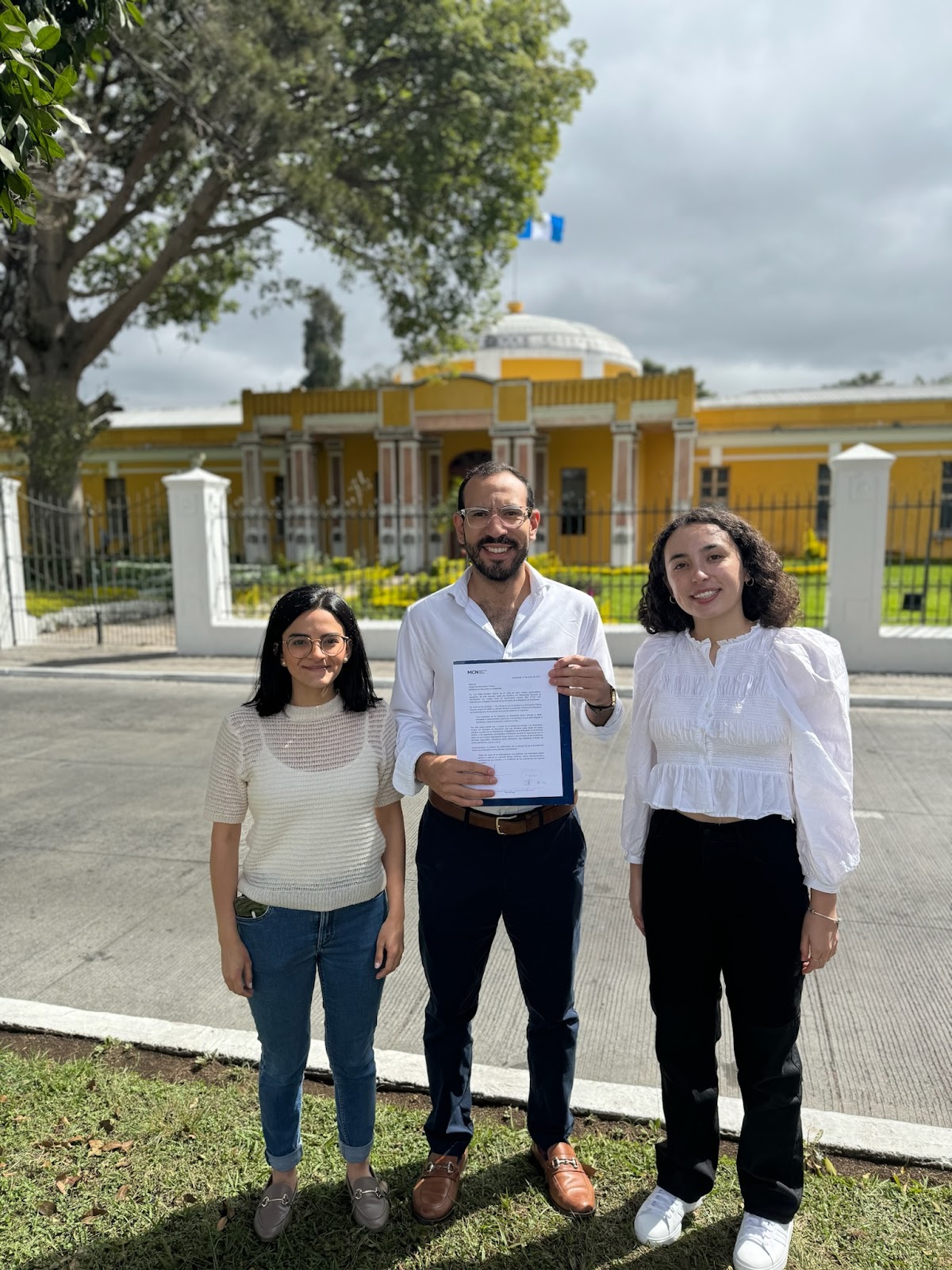
To understand the content of the current collective agreement, on January 31, we requested a copy of the agreement and the administrative file formed during its negotiation through the Public Information Access Office of the Ministry of Education (Mineduc).
On February 13, Mineduc provided us with the requested information. After analyzing the agreement, we identified the privileges they have enjoyed all these years, including: job security for union leaders, licenses for union activities, and joint committees.
What citizens propose
To learn more about how the agreement affects education, former minister María del Carmen Aceña participated in our Citizen Dialogue "Let's uncover the agreement" and presented to the dialogue participants the current state of education in Guatemala, the collective agreement, and how they are negotiated. She also shared her experience in the dismissal process of Joviel Acevedo.
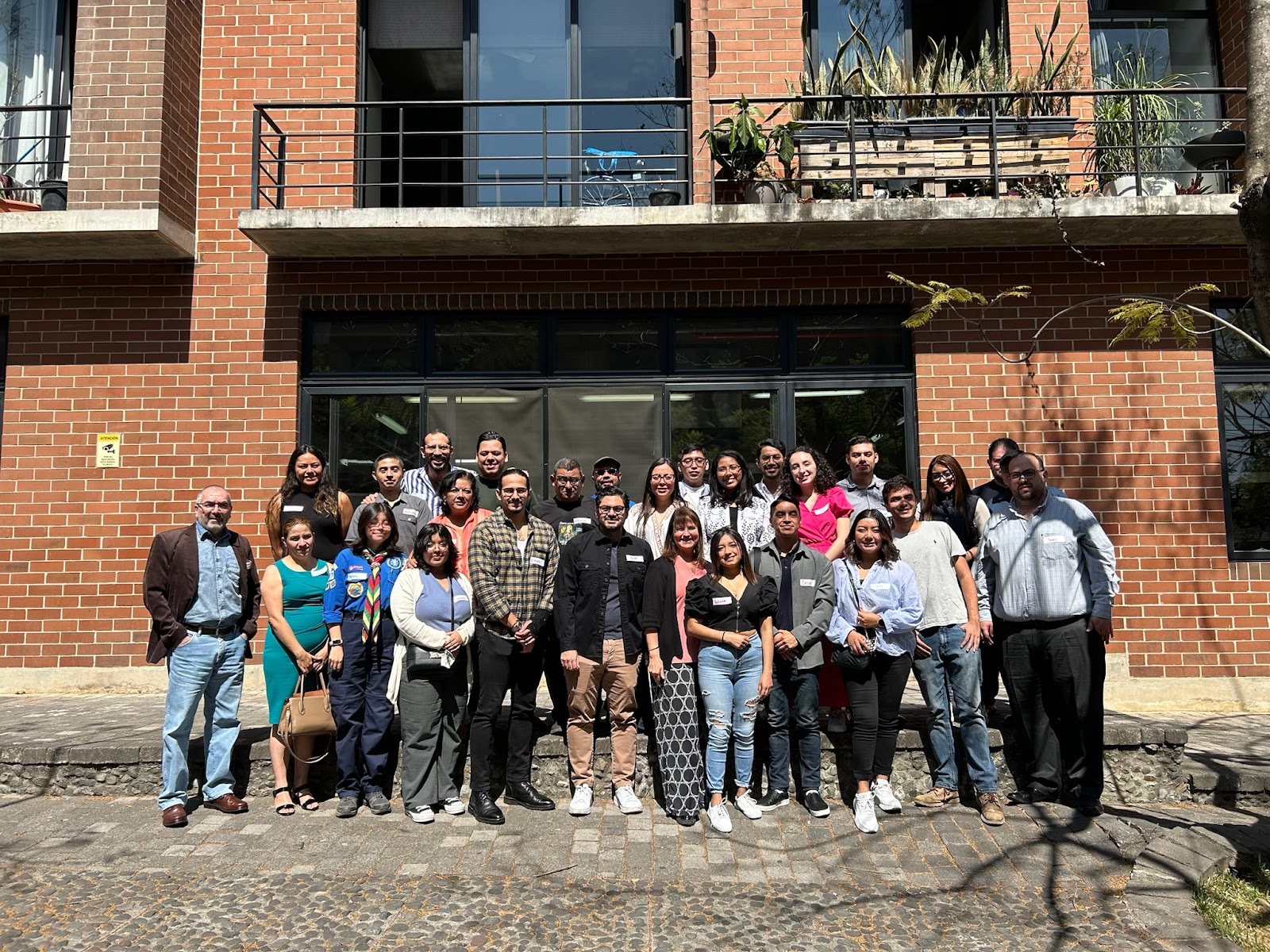
Citizens identified the main problems that the negotiation of the Collective Agreement generates for the educational system, exchanged opinions, and generated proposals for action. These include demanding performance criteria to grant benefits to teachers to reward their merit, that the negotiation of the agreement be transparent and that what is negotiated and who participates in it be made public, outreach with authorities to convey citizen proposals, and if it does not represent benefits for education, that it be declared harmful.
It's "confidential"
The previous agreement was valid for two years, so a new collective agreement will have to be negotiated this year. For citizens to know what is being negotiated, how it is being done, and who is participating, as a Movement, we submitted a second request on February 27 through the Public Information Access Office of Mineduc.
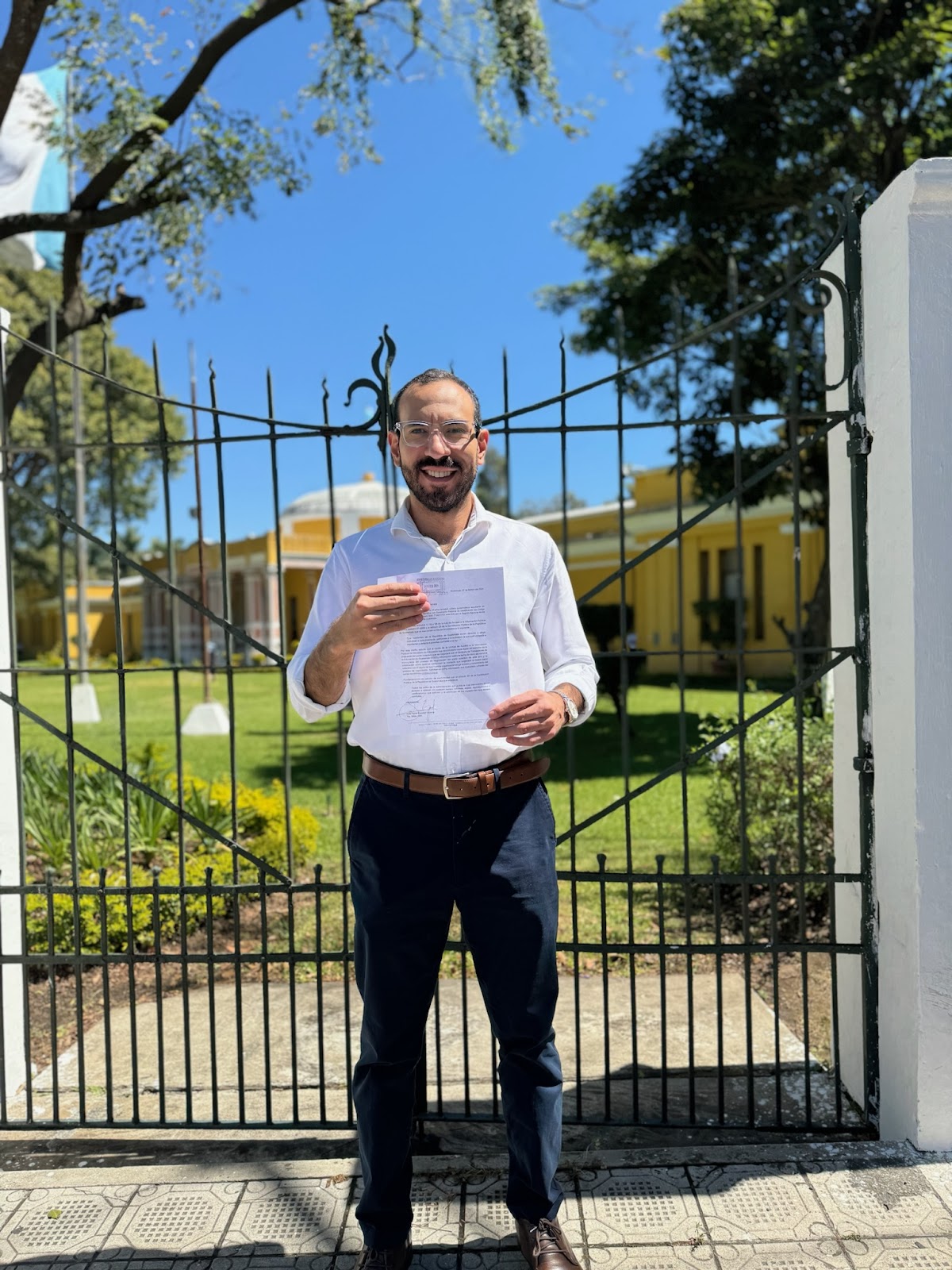
What we requested was:
Copy of the draft proposal for the collective bargaining agreement
Information on the start date and timeline of the negotiation process
Information on who is part of the negotiation commission.
Two weeks later, Mineduc's Legal Advisory Directorate submitted a request for an extension to provide the requested information.
The information was delivered ten days later, but the resolution was not as expected, as it reflected a lack of transparency on the part of the administration.
The response was as follows:
They denied the delivery of a copy of the draft proposal on the pretext that it is confidential, as it is under a confidentiality clause.
They confirmed that the negotiation of the agreement had already begun and that they did not have a timeline for the negotiation process.
They only provided us with information on the Mineduc representatives on the agreement negotiation commission.
As citizens, we must demand that public actions comply with the law and benefit the population. Therefore, we must know the conditions under which this negotiation will take place.
Civic Chronicles
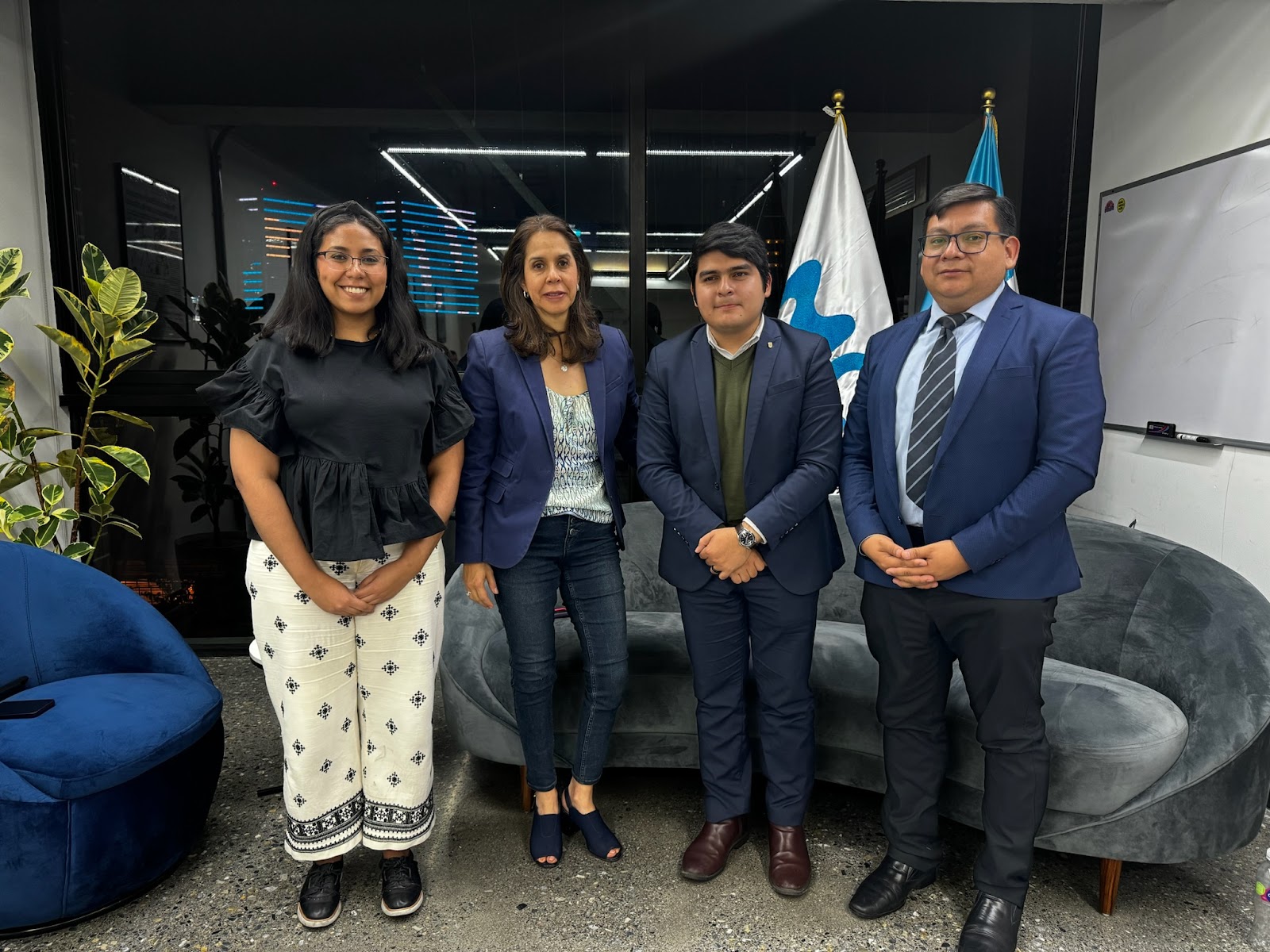
To discuss the future and the importance of citizens overseeing public administration actions, on March 7, we held a discussion with Verónica Spross, executive director of Empresarios por la Educación, who addressed the challenges facing public education in Guatemala.
Uncovering the agreement
After the information was denied, and exhausting the administrative process, we decided to challenge Mineduc's resolution by filing a review appeal on April 15, as this decision violates our human right to access public information contained in our Constitution and the transparency policies issued by the central government.
Transparency and access to information are fundamental pillars of a true republic, contributing to the prevention of corruption.

In the review appeal submitted to the Minister of Education, we demanded that the negotiation process be transparent, that all Guatemalans know what is being negotiated, how it is being done, and who is involved in the negotiation.
Right to access information
On April 25, we went to the Human Rights Ombudsman's Office to present our case of violation of the human right to access information by the Ministry of Education. This refusal constitutes a clear violation of the human right to access information, established in the Political Constitution of the Republic of Guatemala and in various international instruments on human rights ratified by the State of Guatemala.
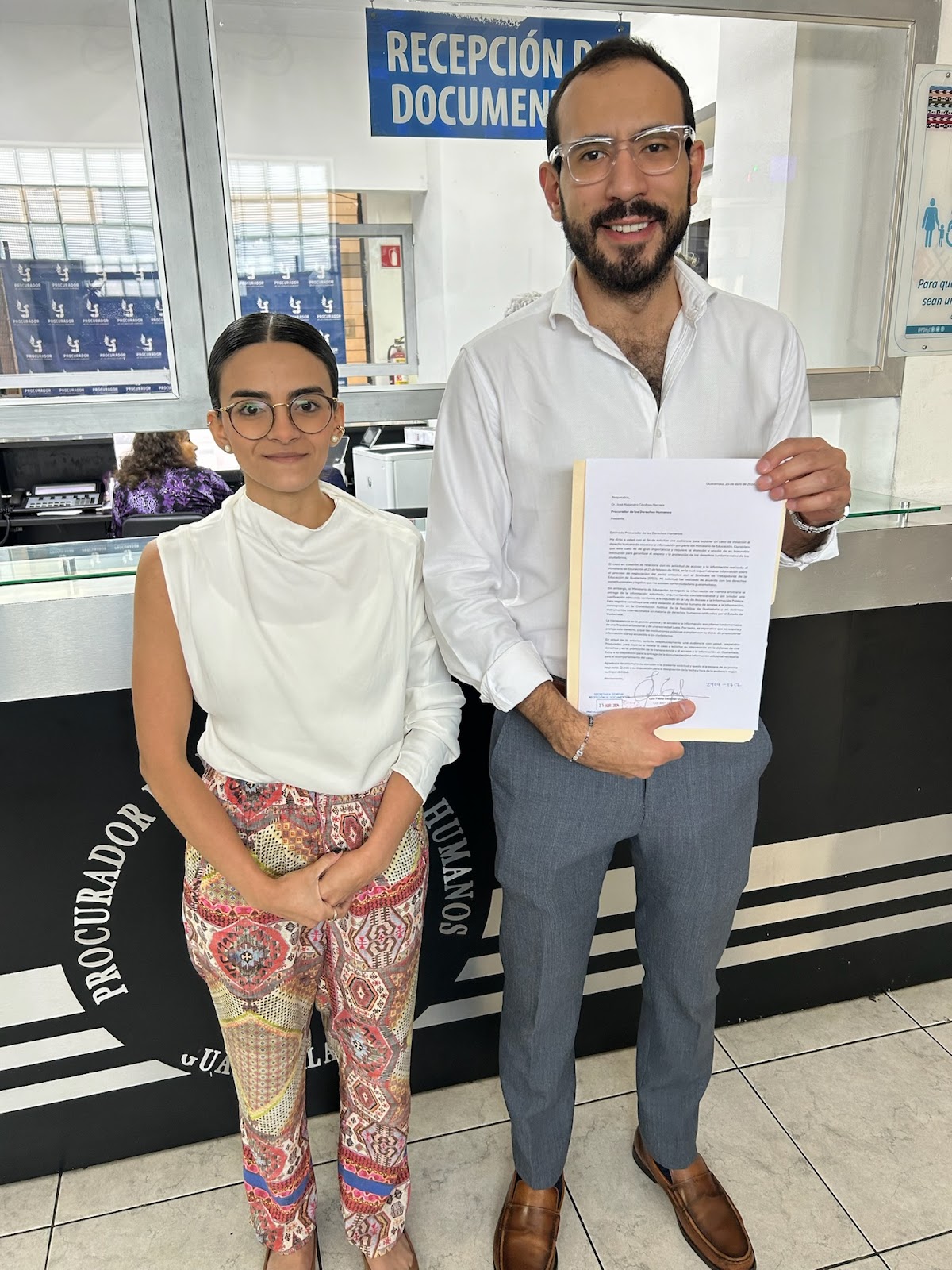
On May 13, we had a meeting with delegates from the Secretariat for Access to Information of the Human Rights Ombudsman's Office, where we presented our case and received recommendations from the unit to demand that our human right to access information be respected.
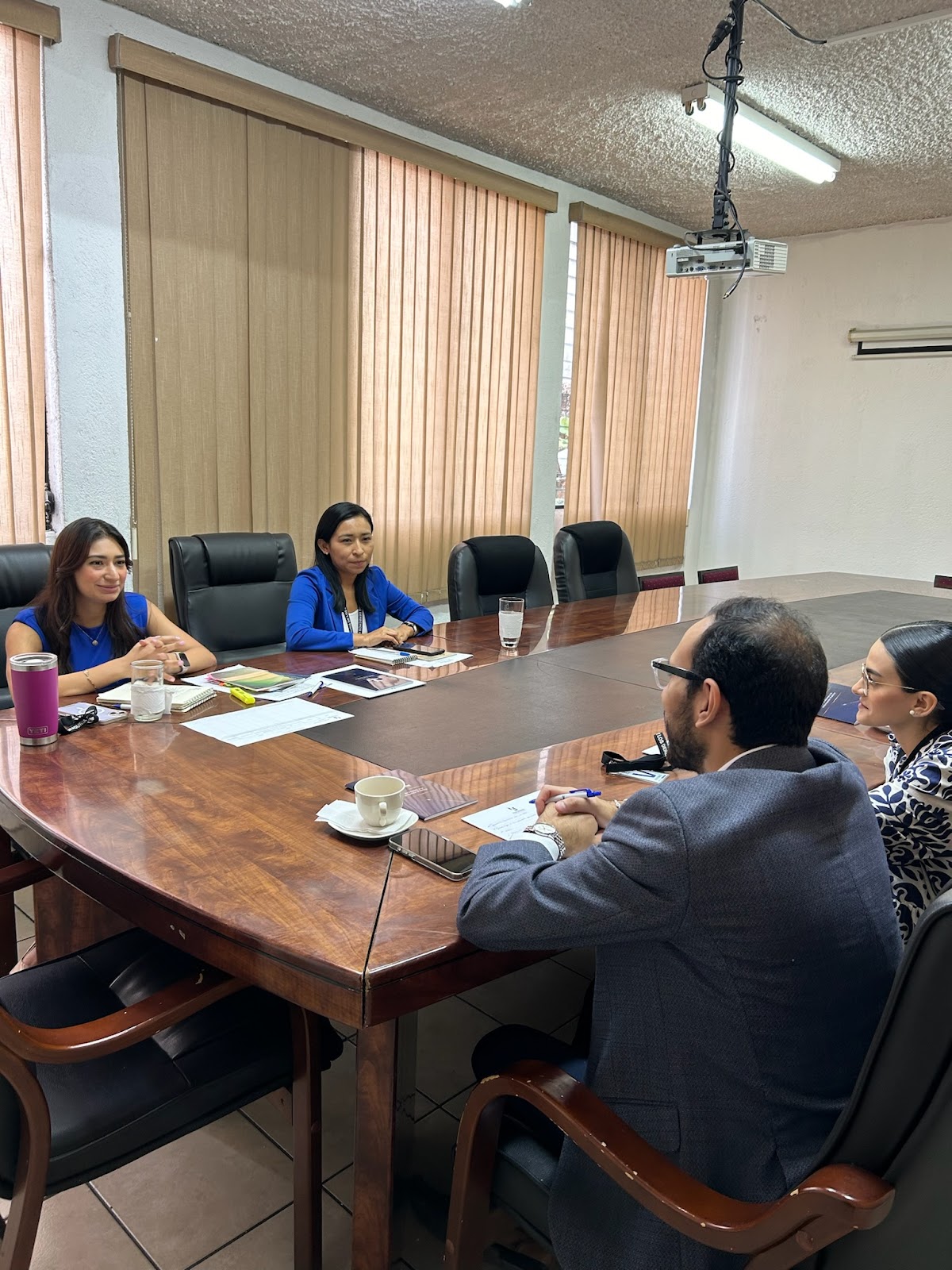
It is important that this right is respected and protected, and that public institutions fulfill their duty to provide clear and accessible information.
No to corruption!
On April 30, we went to the National Commission Against Corruption to request an audience with Commissioner Santiago Palomo, to explain the violation of the right to access information and how the refusal to provide information does not contribute to the transparency and efficiency of public services and accountability, undermining the General Government Policy 2024-2028 approved by the current government, which establishes that state institutions must provide public information in a timely manner to the population.

It is evident that the Government of Guatemala recognizes the need for effective accountability and the duty of institutions to facilitate public information to citizens as a mechanism to promote an anti-corruption system, strengthen institutions, and restore credibility in the Republic.
Join us to uncover the agreement here.