Destacados

Latest projects

Destacados


Destacados


Actividades


Destacados

Actividades


Actividades
Actividades
Análisis
Destacados
Actividades
Actividades
Actividades
Actividades
Actividades
Destacados
Actividades
Actividades
Actividades
Actividades
Actividades
Actividades
Actividades
Actividades
Análisis
Análisis
Actividades
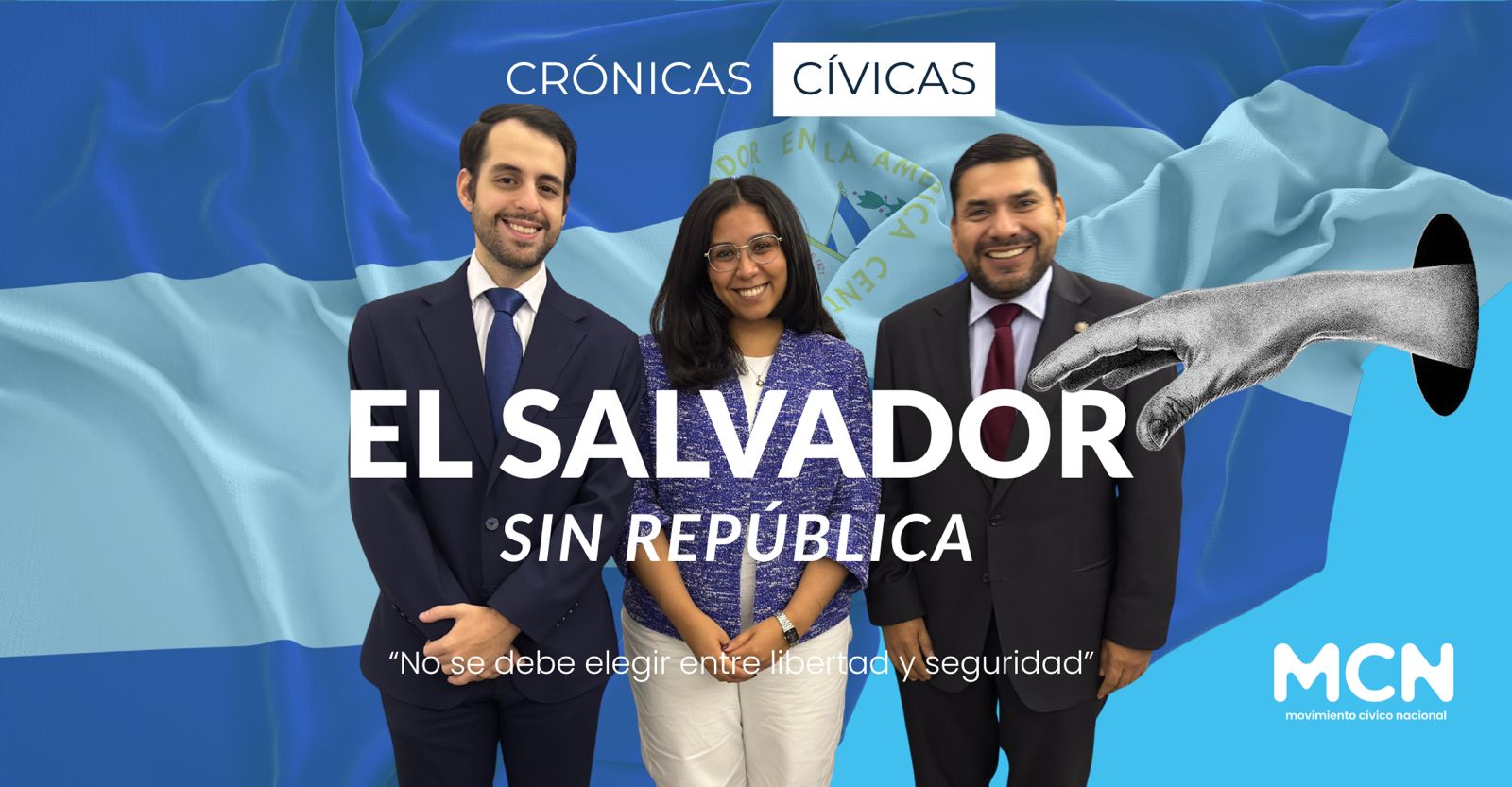
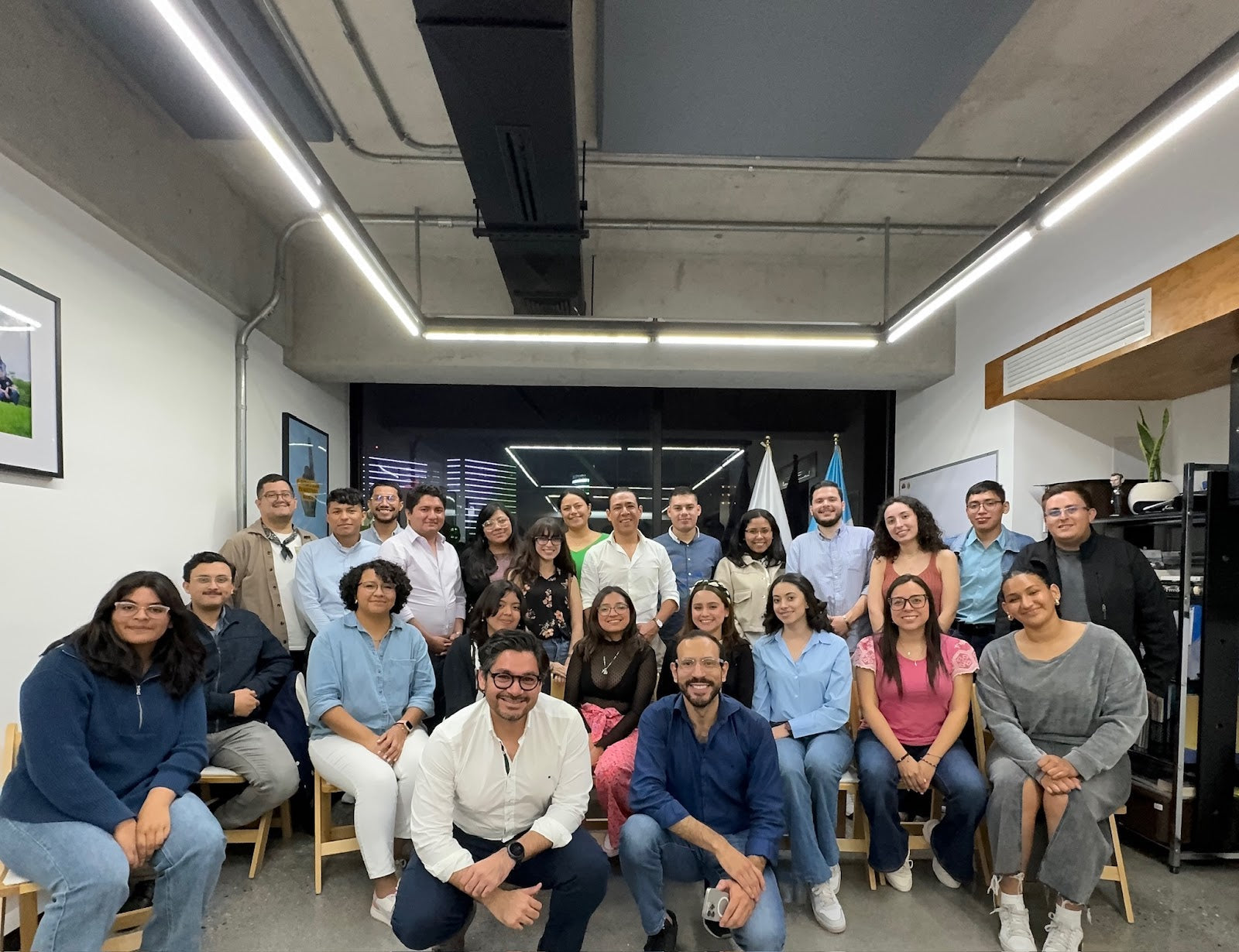
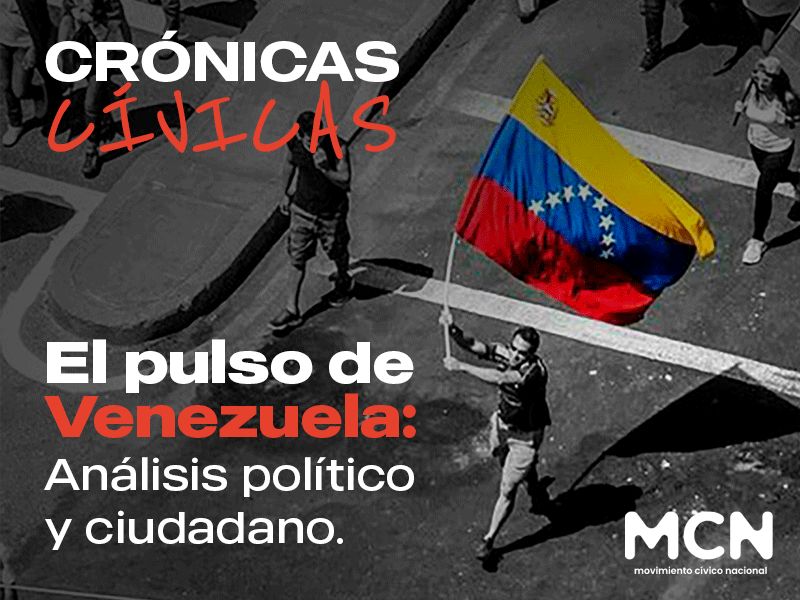
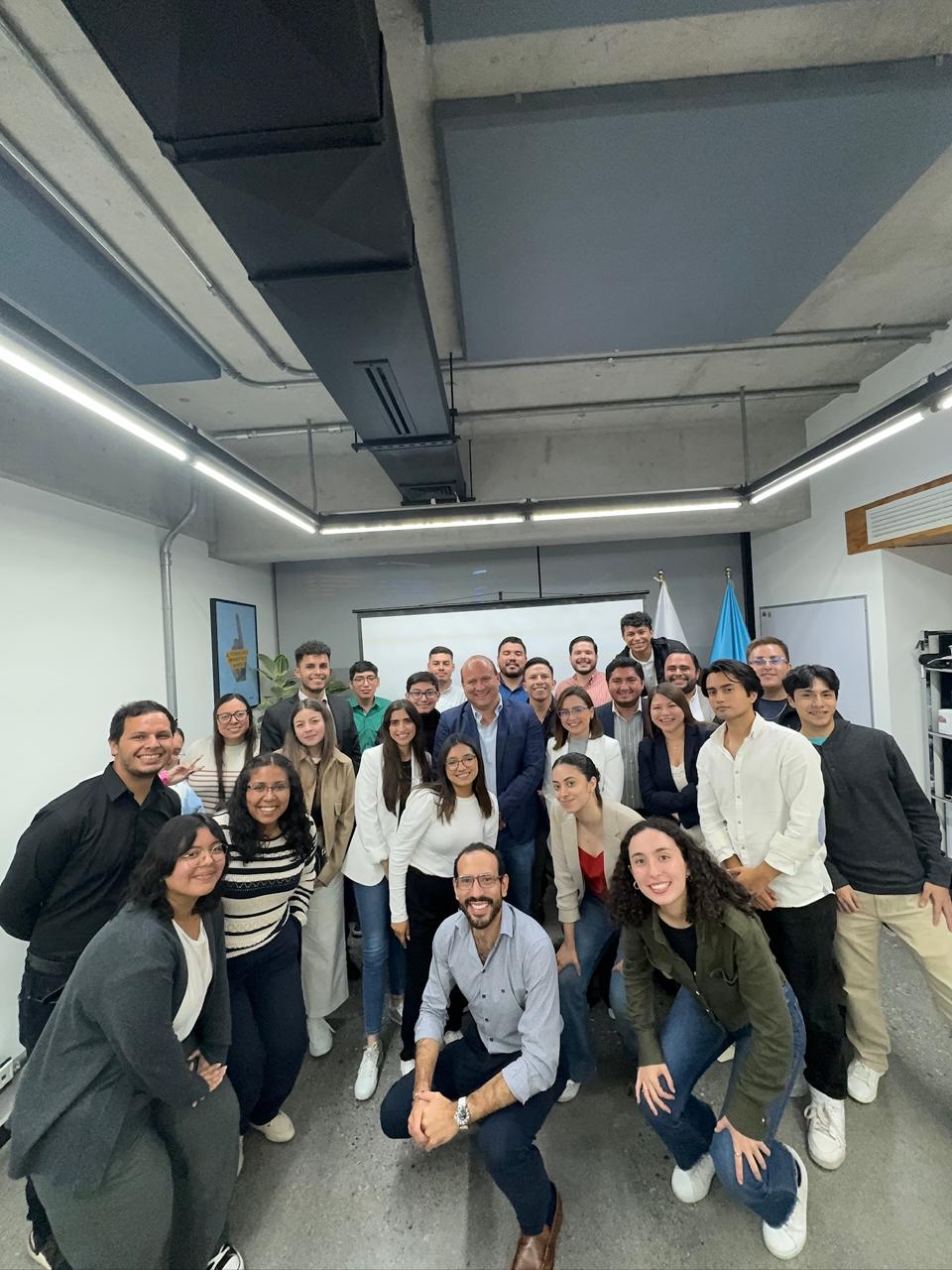
In our region, officials often celebrate a "firm hand" and popularity polls seem to dictate policy, but we decided to pause and do what is expected of republican citizens: question. Last Wednesday, September 3rd, we hosted a new Civic Chronicles meeting at our headquarters, a space we have built to dialogue, question, and defend the republican values that guide our actions.
Actividades
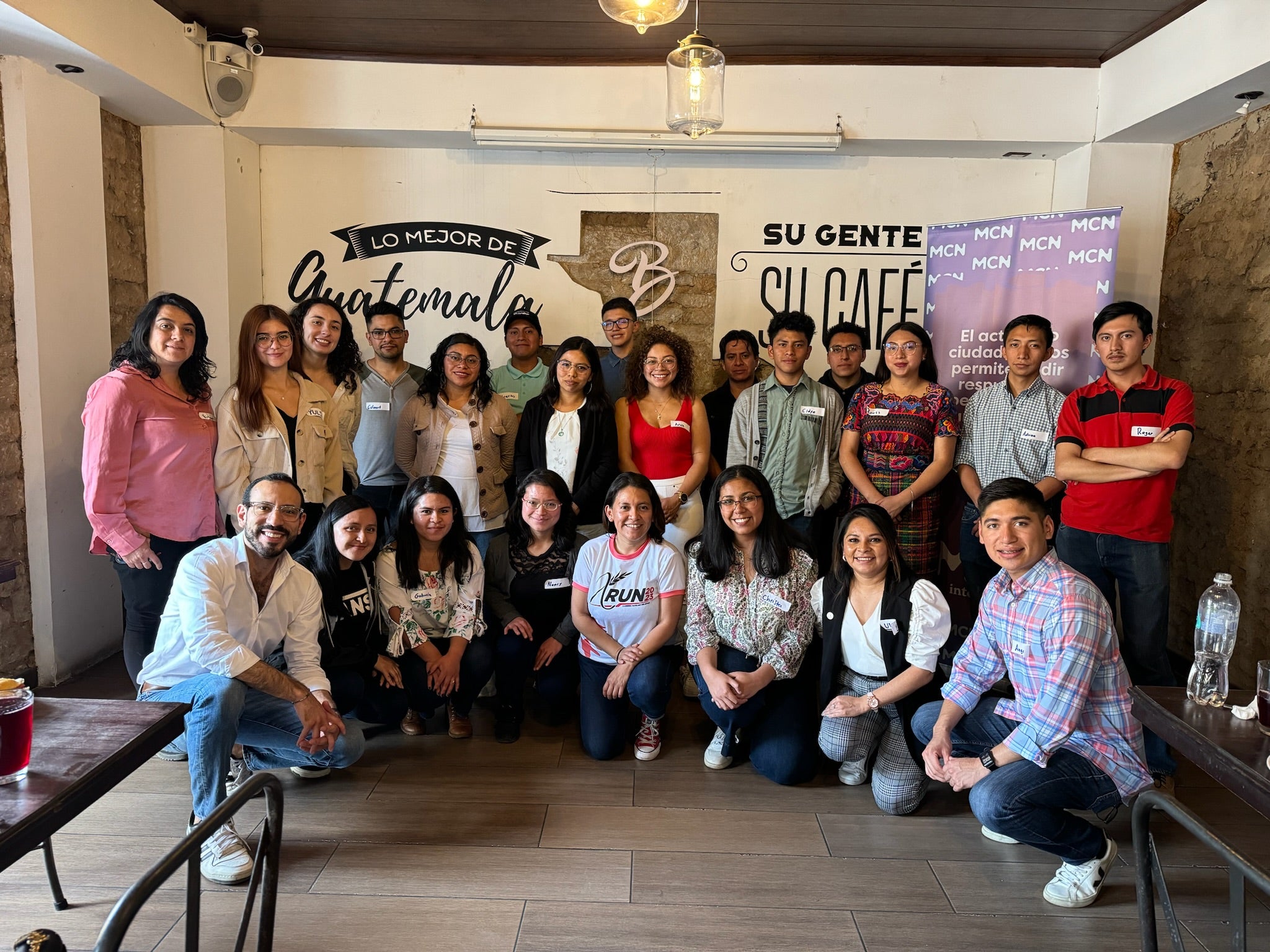
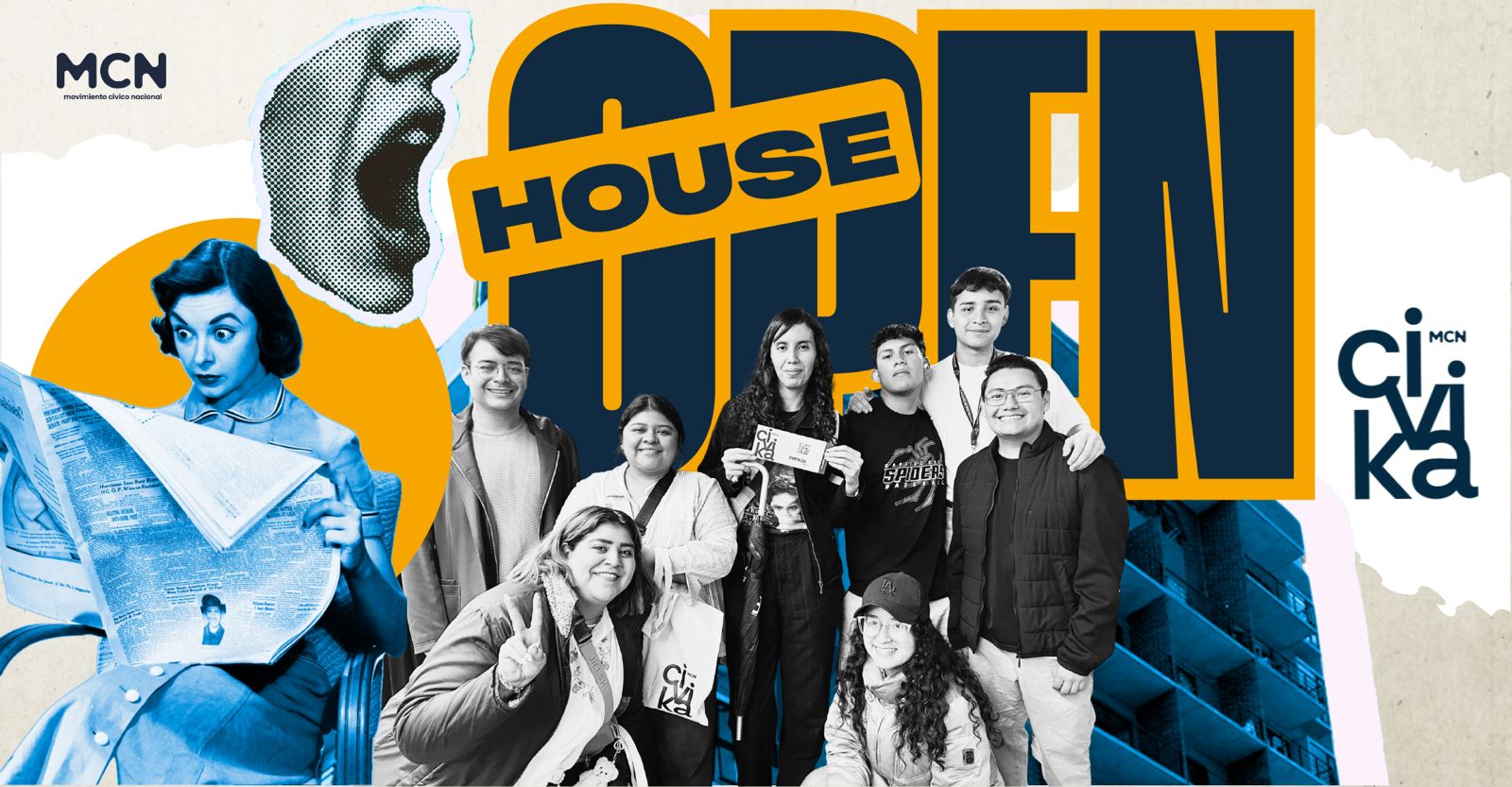
On August 21, we had a very special day at the National Civic Movement, opening our doors to the public for an activity we called Open House.
Análisis
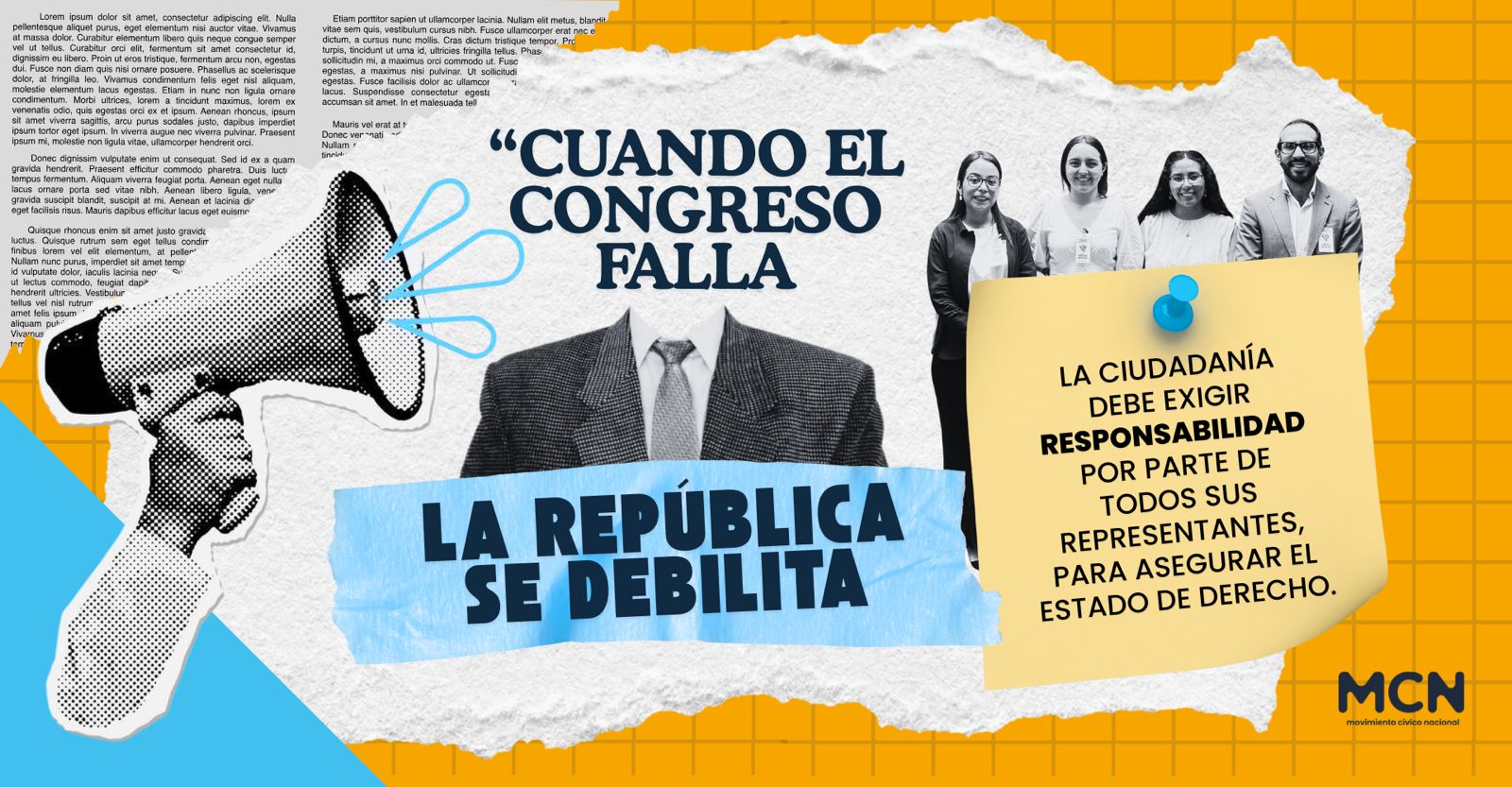
Congress closes ordinary sessions without repealing the salary increase, a mission that impacts citizens. After the end of the ordinary session period, which concluded on May 15, the repeal of the salary increase agreement has not yet materialized, thus closing the possibility of including this issue on the legislative agenda for the first ordinary period. Every Monday, the Heads of Congress Blocks meet to define which topics will be included in the legislative agenda. What is decided that day is debated in the chamber in subsequent sessions.
Análisis
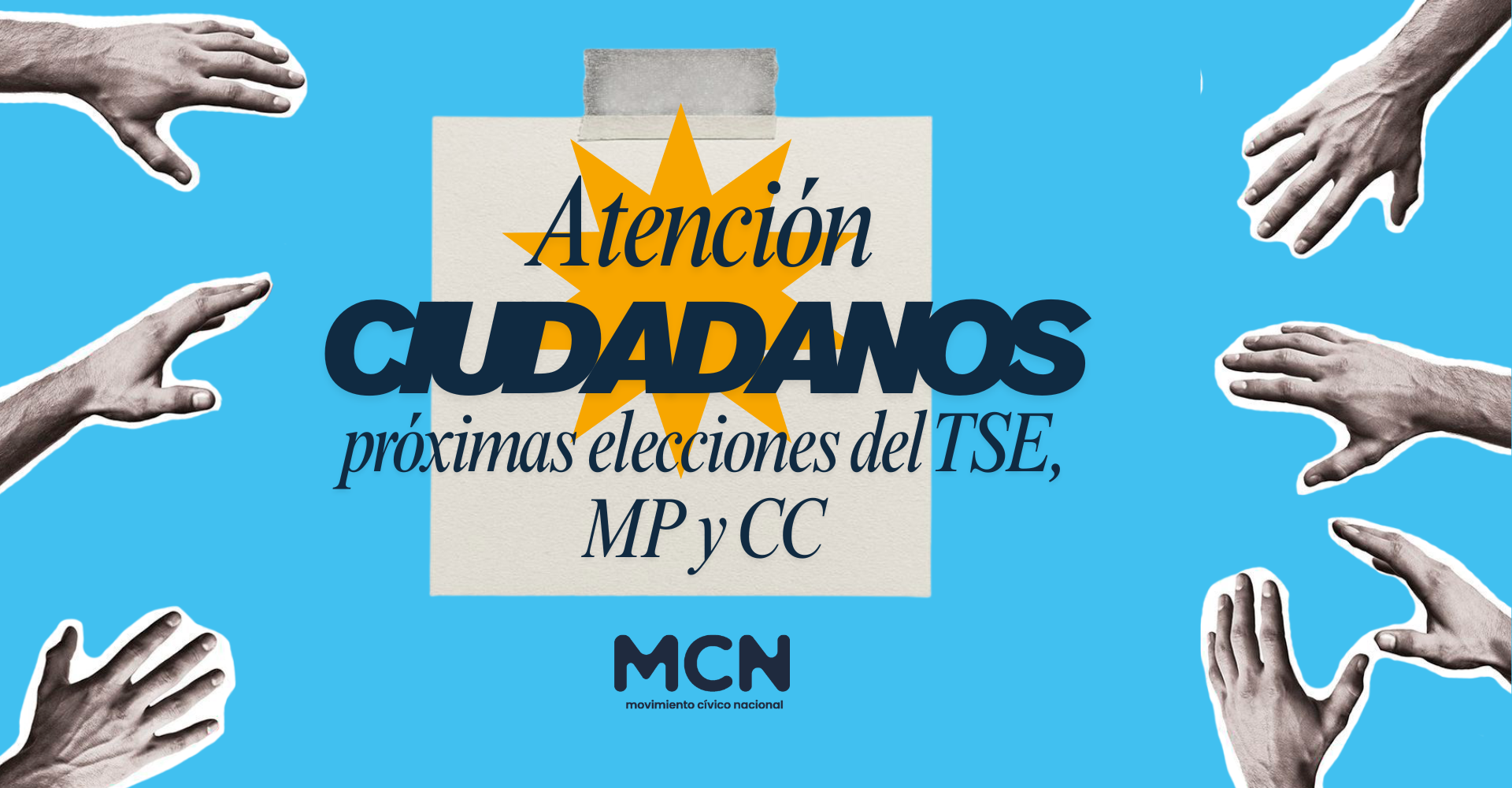
Starting in November, a key electoral process will begin, extending until March 2026, in which, although they will not go to the polls, it will be decided who will occupy influential positions in three fundamental institutions of our Republic: the Constitutional Court (CC), the Supreme Electoral Tribunal (TSE), and the Public Prosecutor's Office (MP). These institutions are pillars of the rule of law, and their proper functioning is essential to ensure the balance of powers in our Republic.
Análisis
The World Justice Project (WJP) is an independent, international organization dedicated to advancing the rule of law around the world. Each year, it publishes the Rule of Law Index, a report that assesses how the rule of law is experienced in over 140 countries, including Guatemala. This index is built upon surveys of the population and local experts, and measures not only what the laws state, but also how they actually function in daily life.
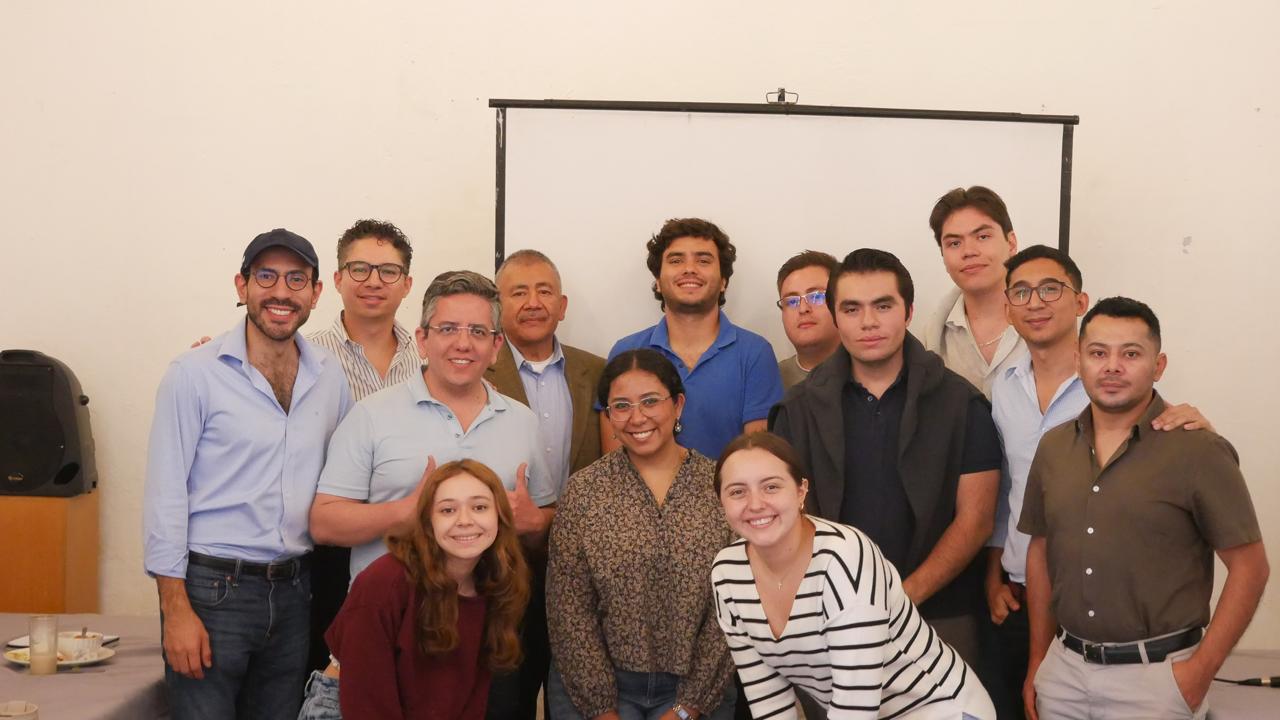
A question from citizens who reason, demand, and propose. In the "Citizen Dialogues" promoted by MCN, on Saturday, July 12, we opened a space to reflect and seek proposals around a question many of us are asking: what do we do with Congress?
This space brought us together as citizens who feel, firsthand, the frustration with Congress. Beyond the disillusionment, we shared ideas, data, proposals... and a certainty that shook us all: we must wake up and act now!
Destacados
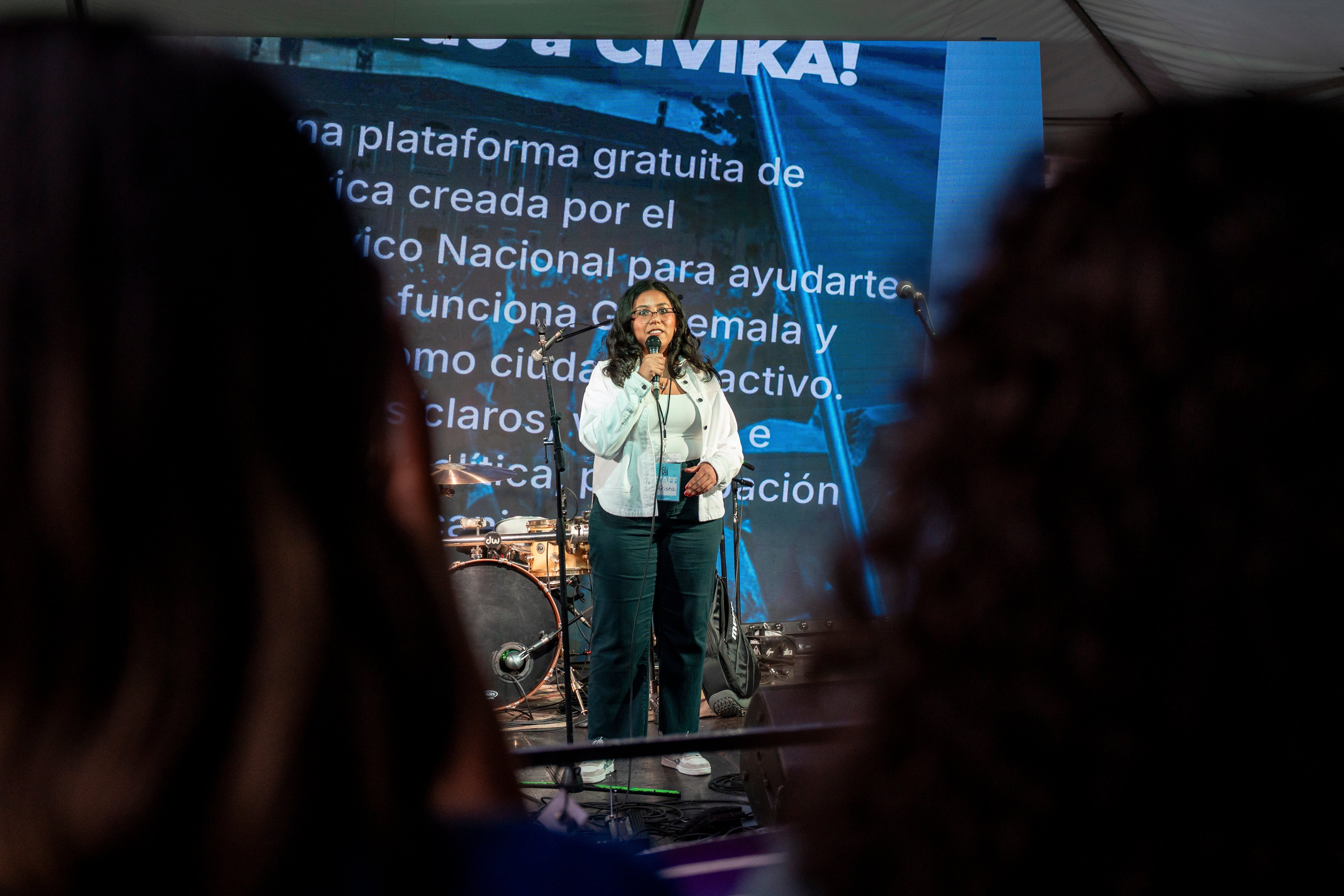
Guatemala needs more citizens like you. How? Citizens interested in making a real change. At MCN, we believe that civics is synonymous with freedom. That is why we share with all citizens an open, free, and accessible civic education platform, designed for everyone, regardless of age, academic level, or prior experience.
Actividades
Last Tuesday, May 13, the MCN reaffirmed that the Republic is defended every day and can only exist if there are citizens willing to act.
Actividades
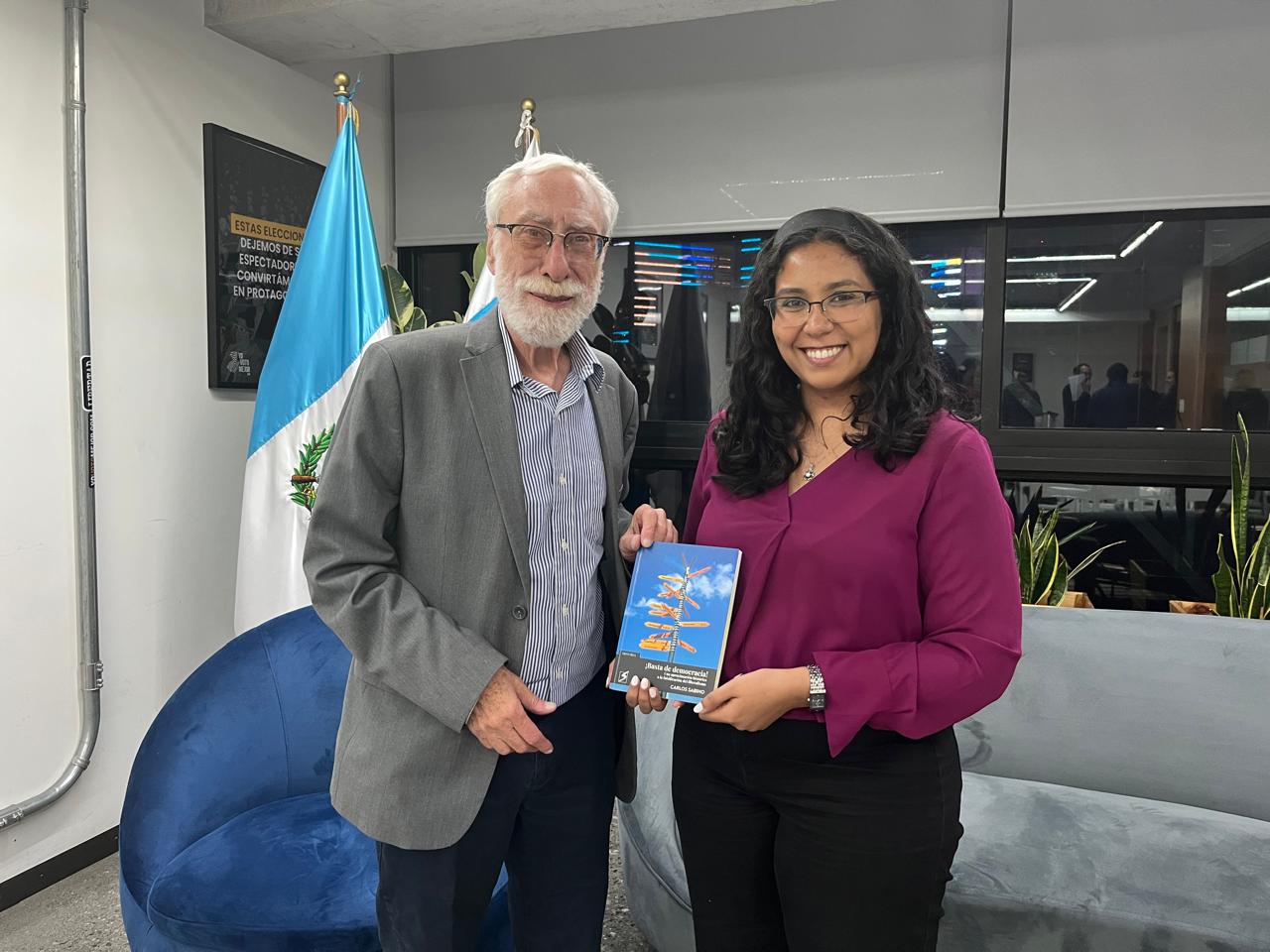
On April 29, at the National Civic Movement, we welcomed Dr. Carlos Sabino, a sociologist, historian, and writer, for an open conversation on Crónicas Cívicas. The central theme of the meeting was his most recent publication: ¡Basta ya de Democracia! (Enough of Democracy!); a work that, at first glance, provokes and questions, but also invites deep reflection on the direction taken by democratic systems in Latin America and the world.
Destacados
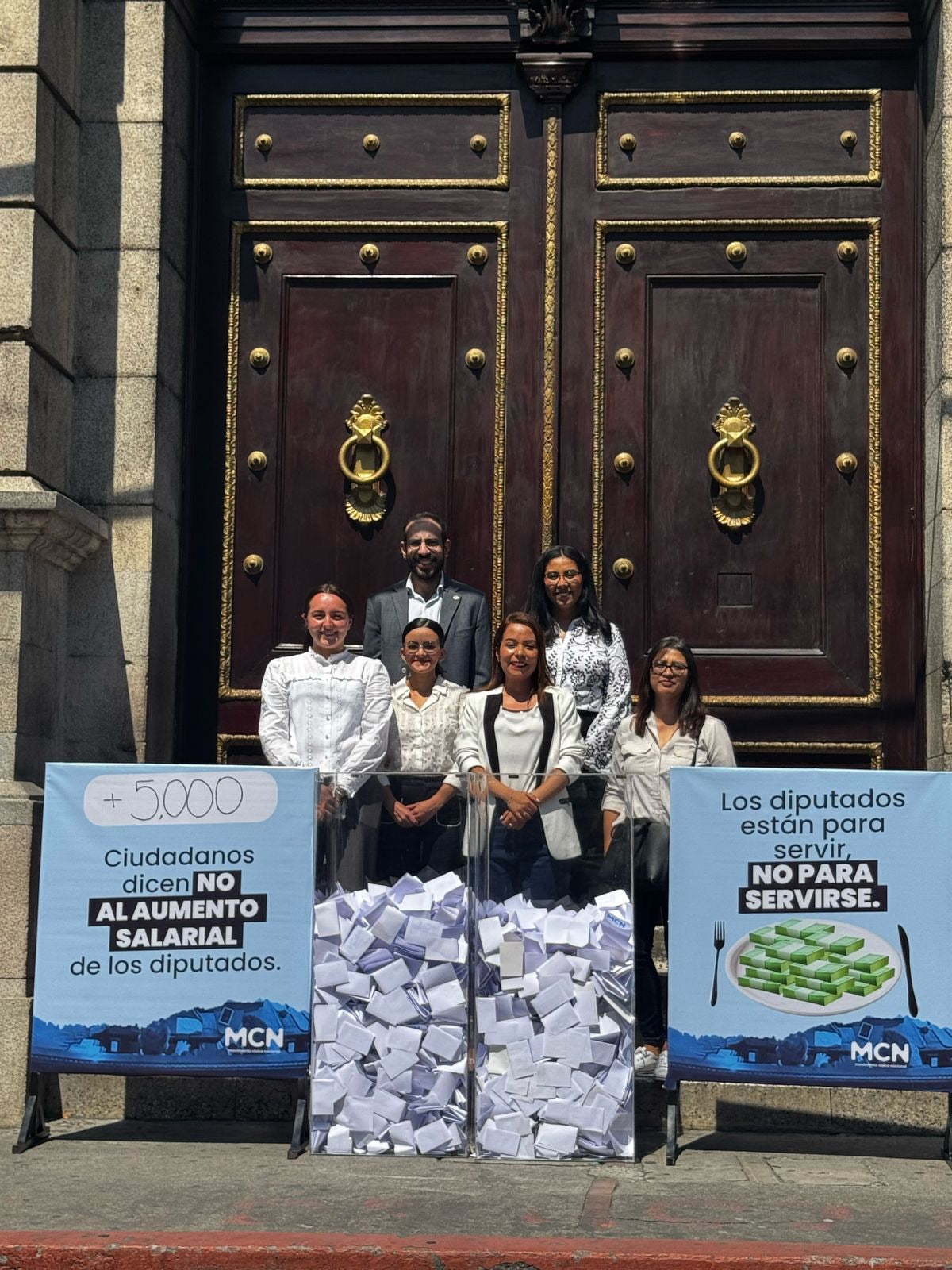
While citizens slept, deputies raised their salaries. In the early hours, and behind the backs of Guatemalans, Congress approved the 2025 General National Budget.
Actividades
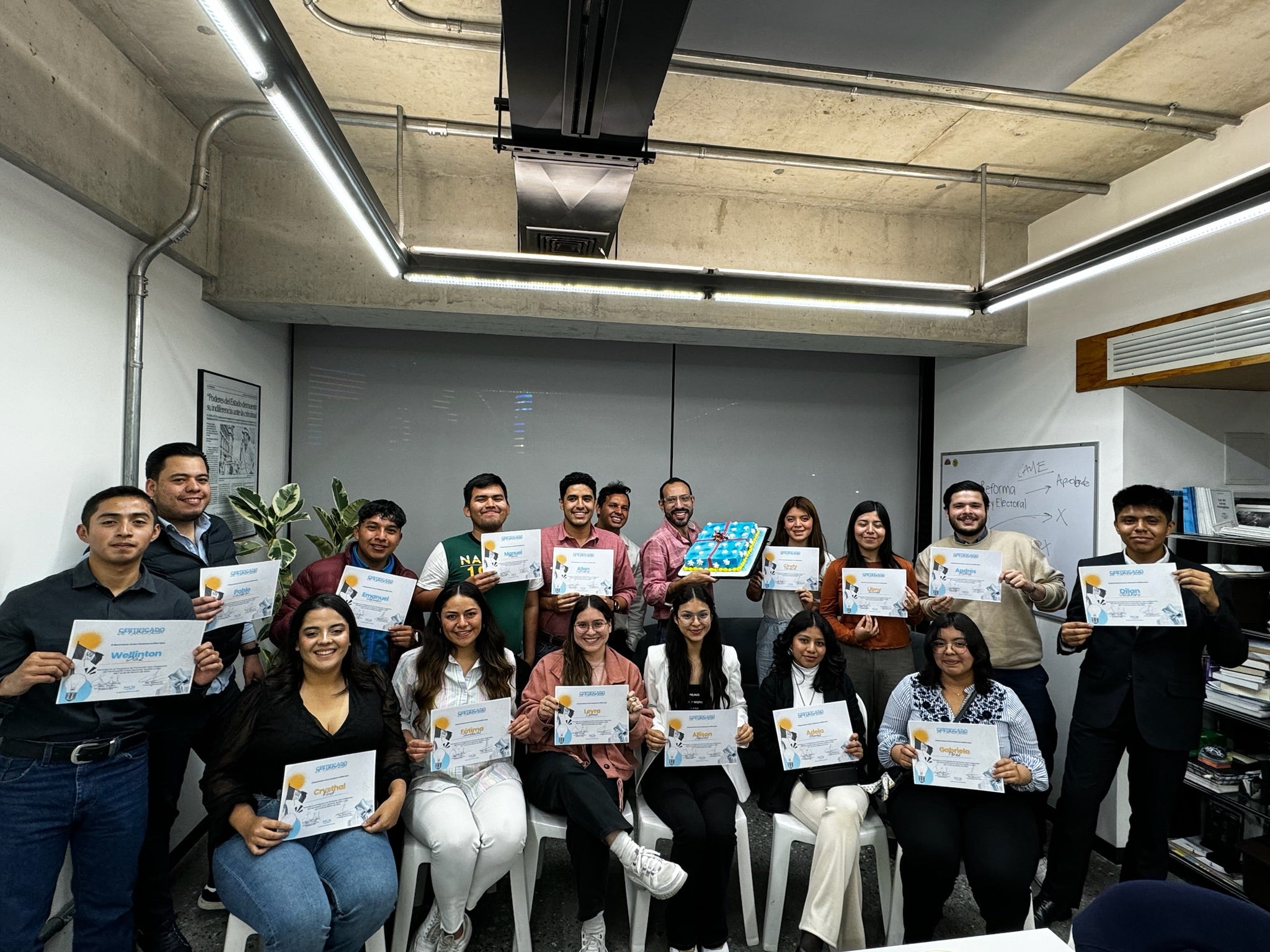
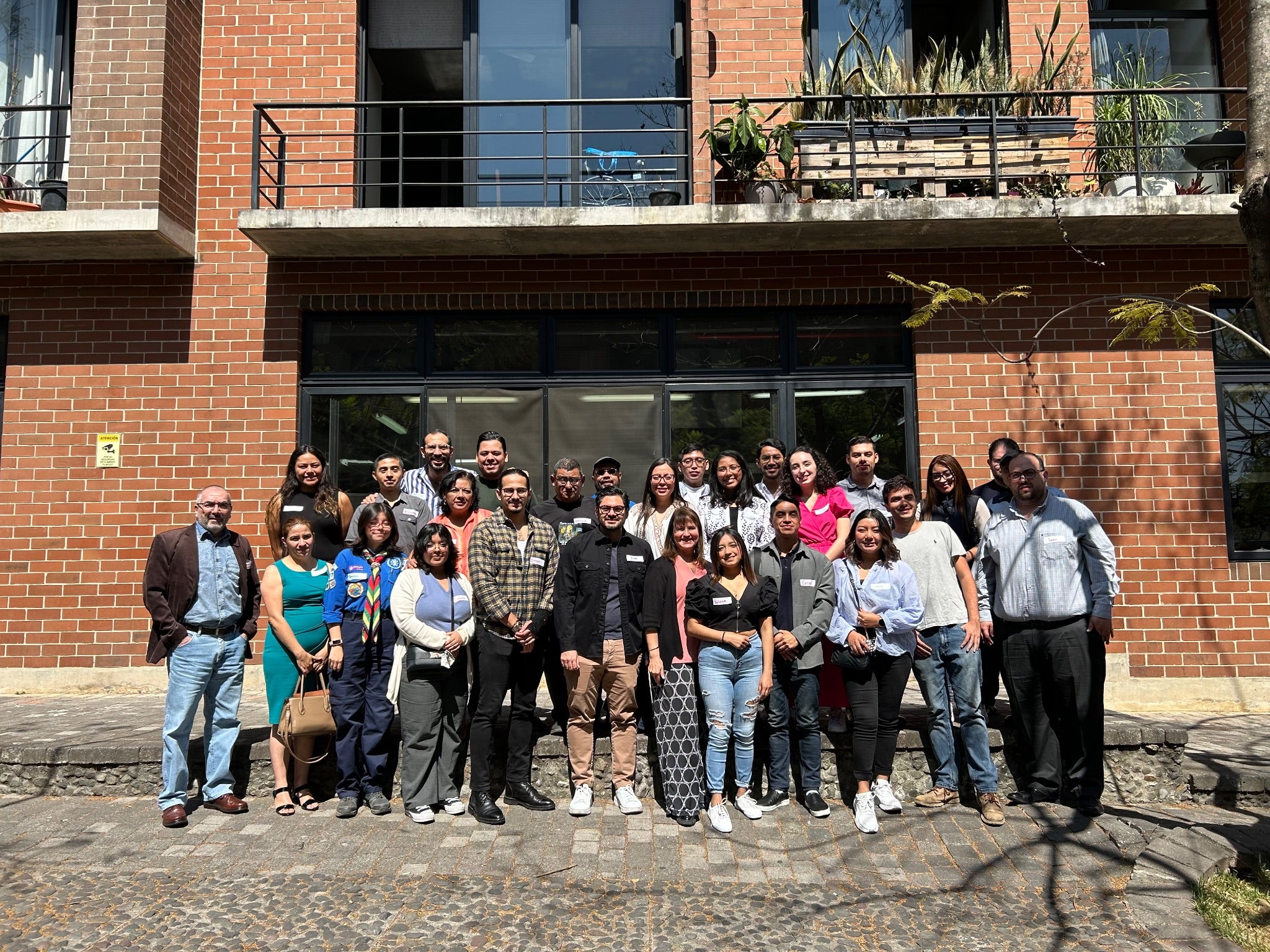
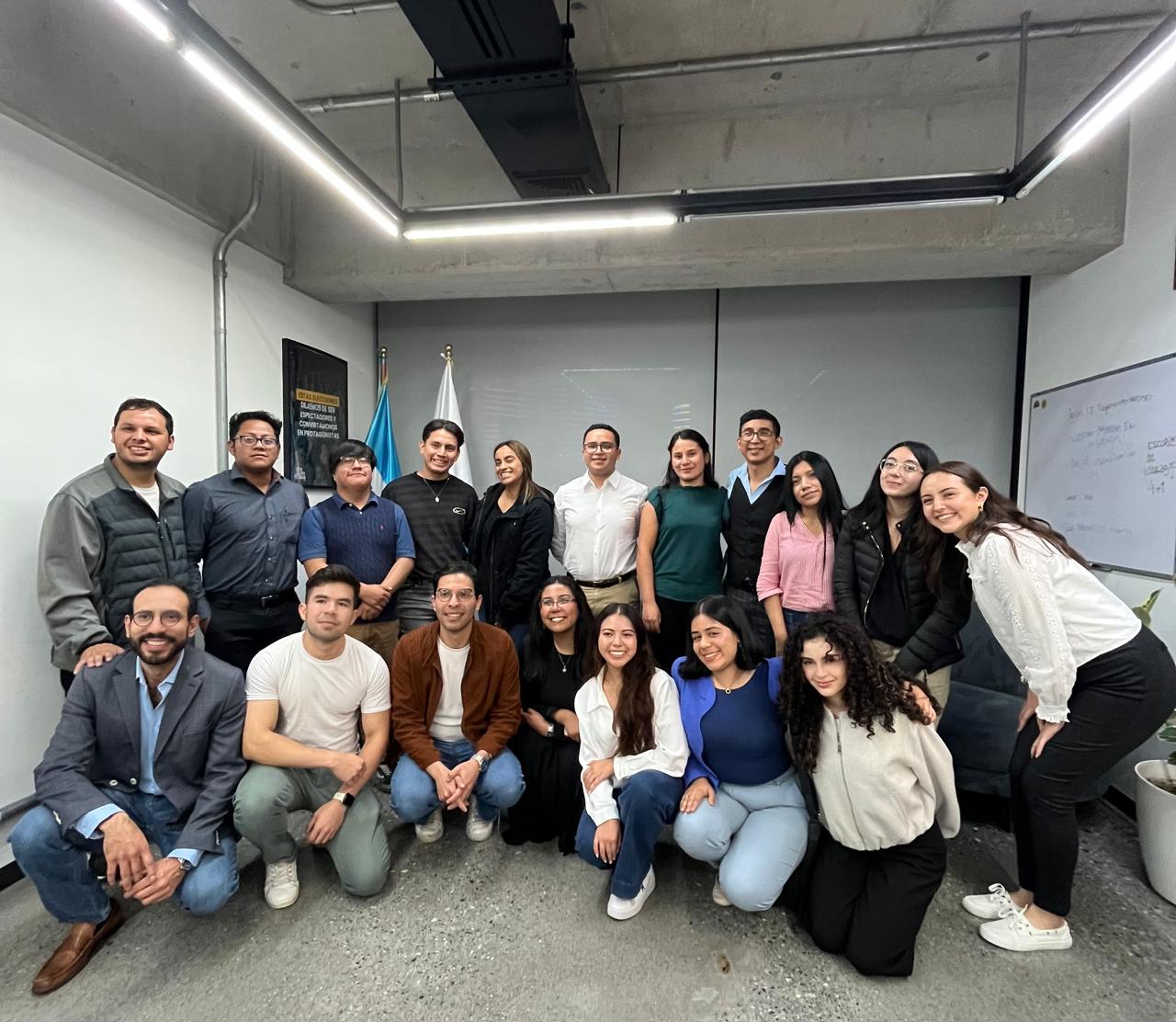
With great excitement, we celebrate the graduation of the tenth class of members of the National Civic Movement (MCN). These are 32 new citizens who successfully completed a comprehensive training process, with the aim of strengthening their commitment to a better Guatemala.
Actividades
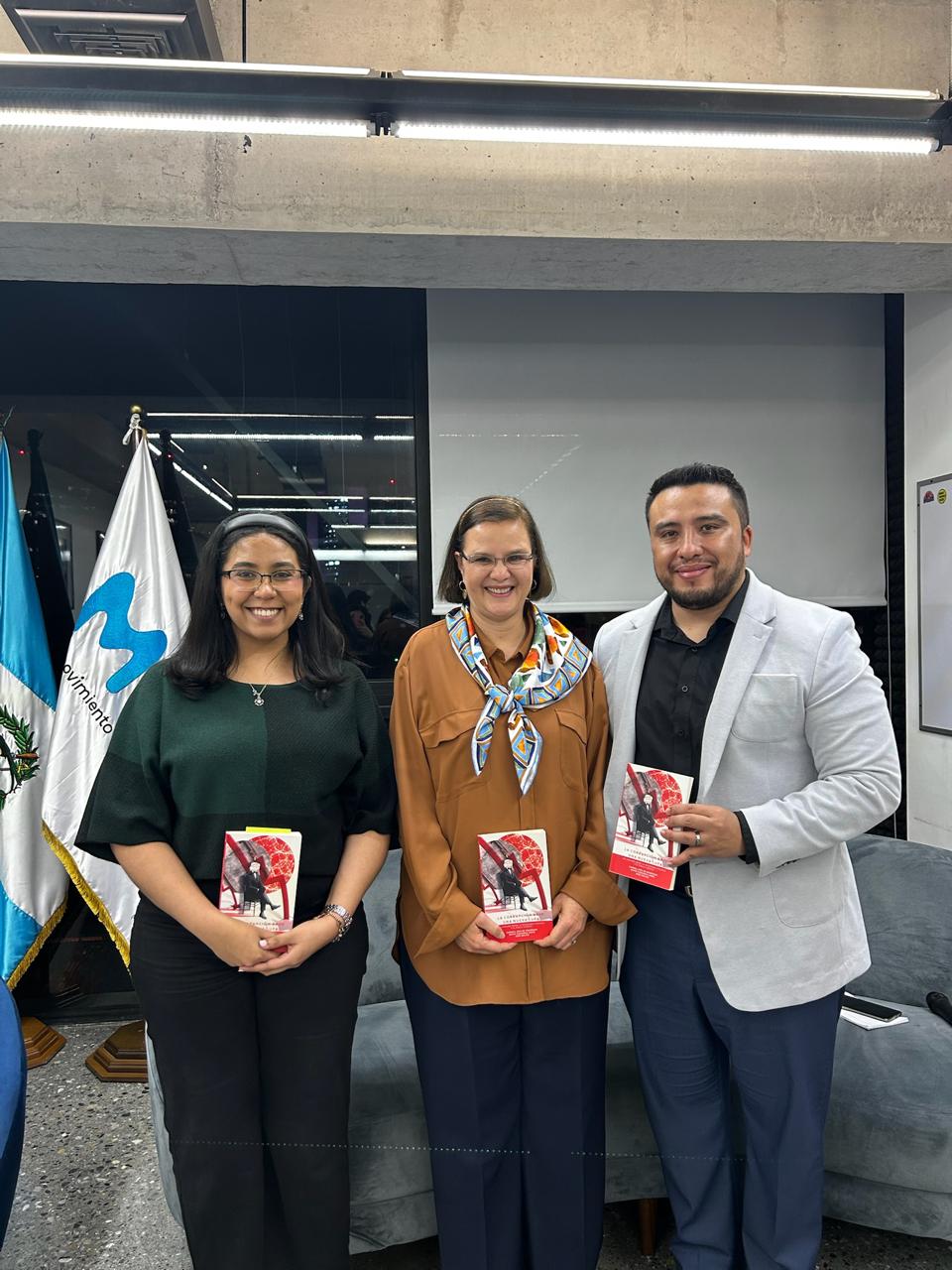
On January 29, together with our friends from the Faith and Liberty Institute, MCN held its first event of the year, presenting the book “Corruption Through a New Lens,” which argues for an alternative to the traditional view for evaluating this phenomenon in Guatemala.
Most read